AmCham Manufacturers’ Forum 2026
DATE
LOCATION
EVENT DETAILS
AmCham Manufacturers’ Forum 2026: Strengthening the Future of Manufacturing in Poland
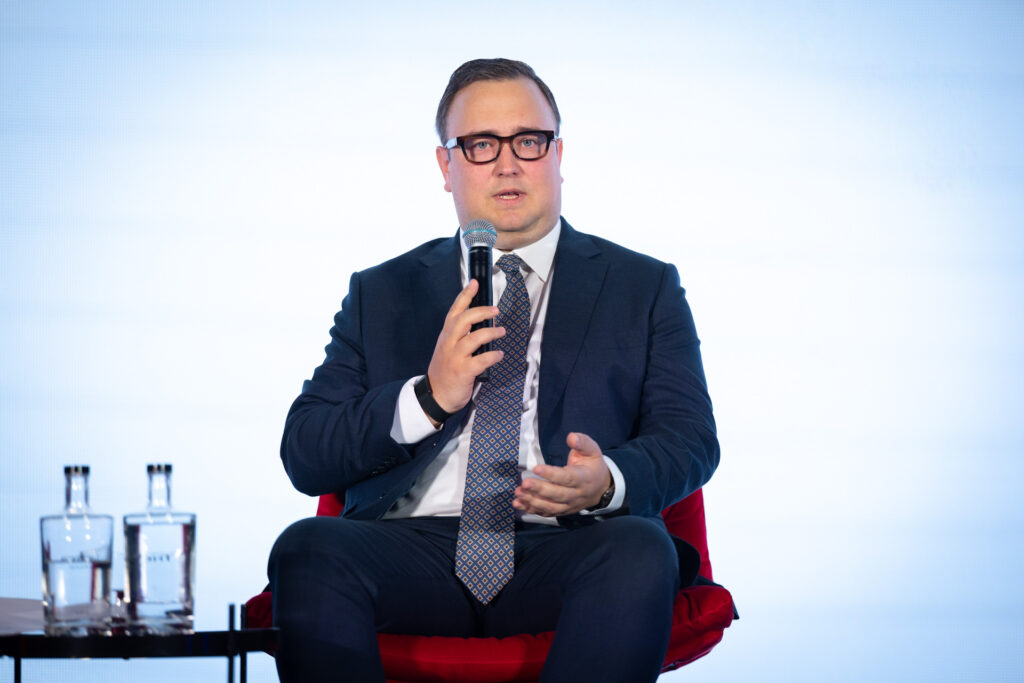
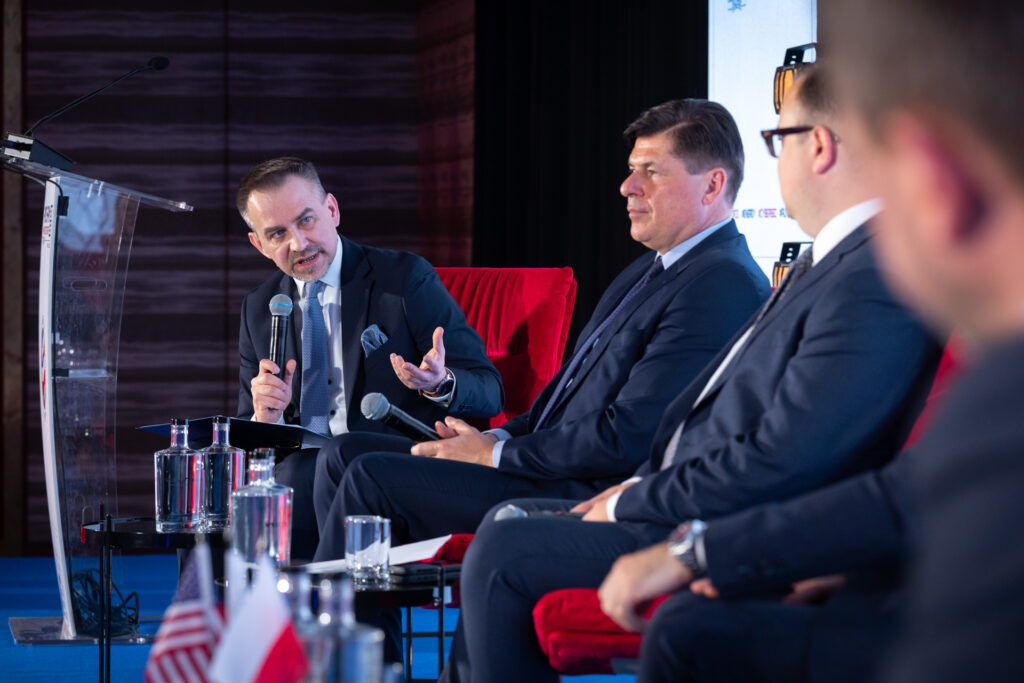
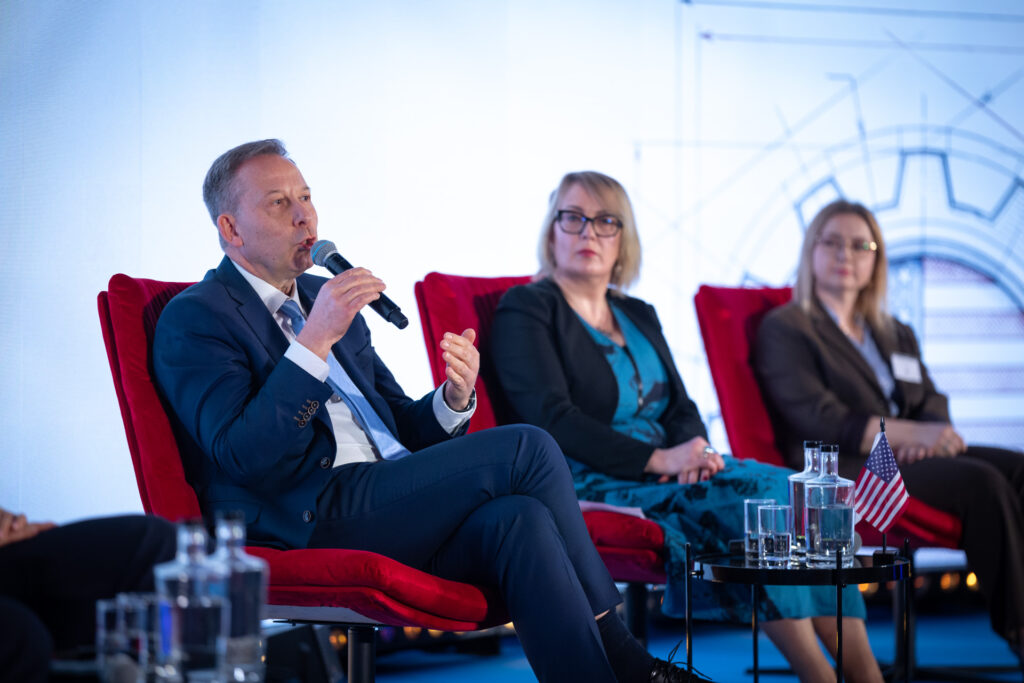
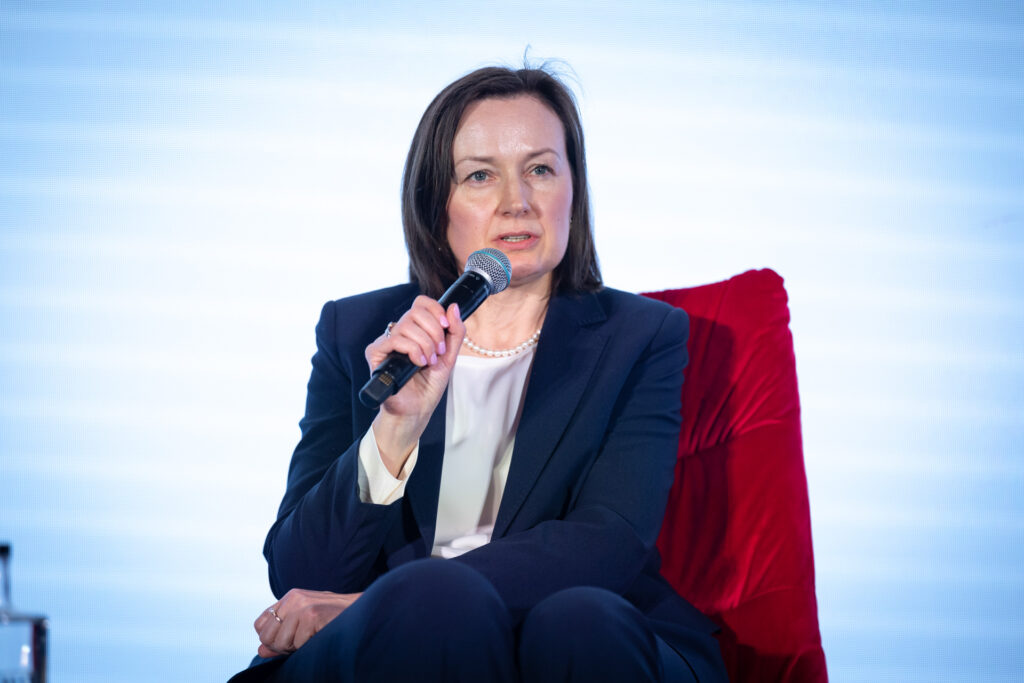
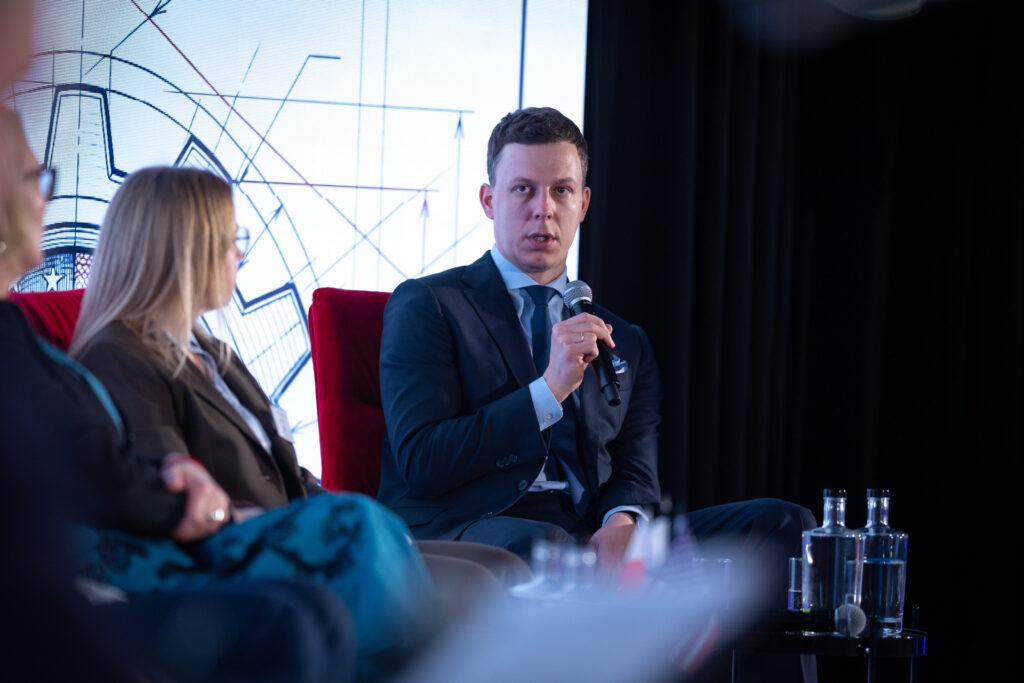
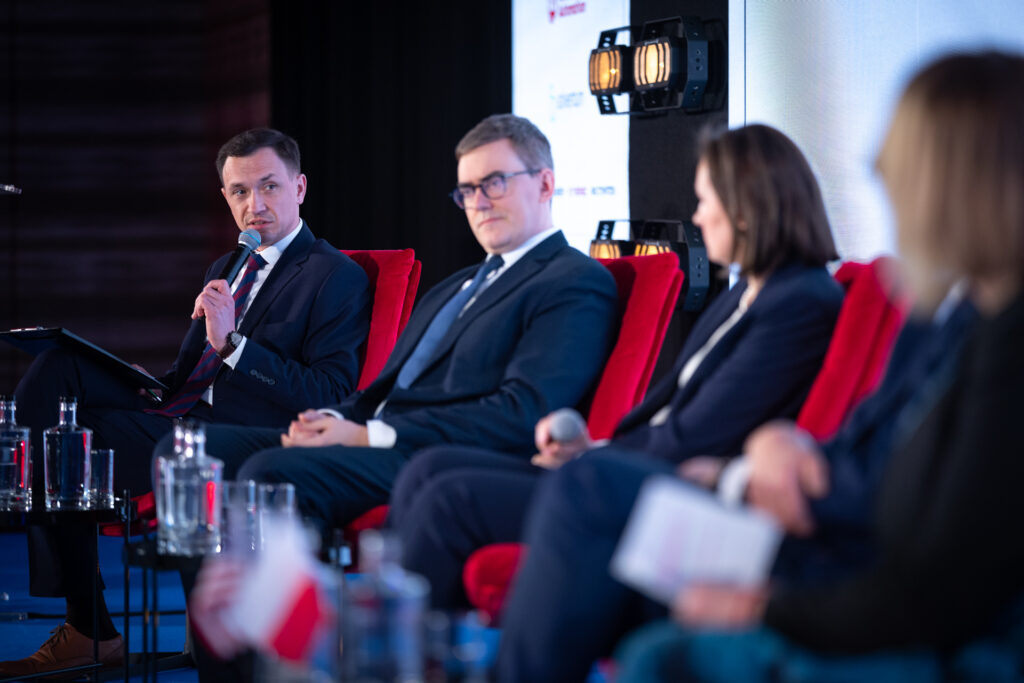
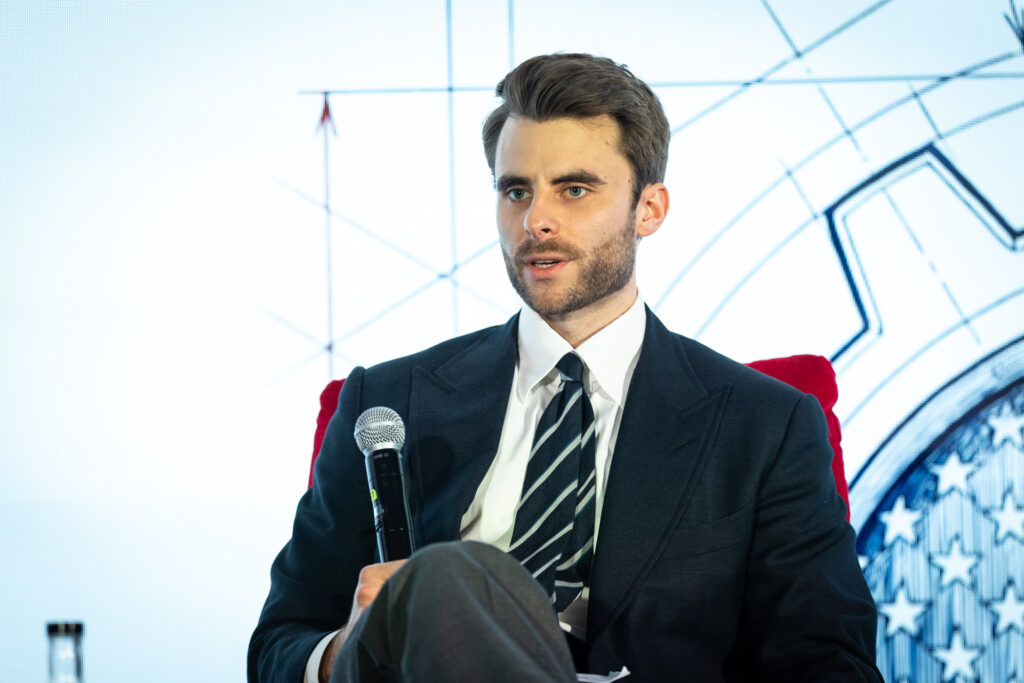
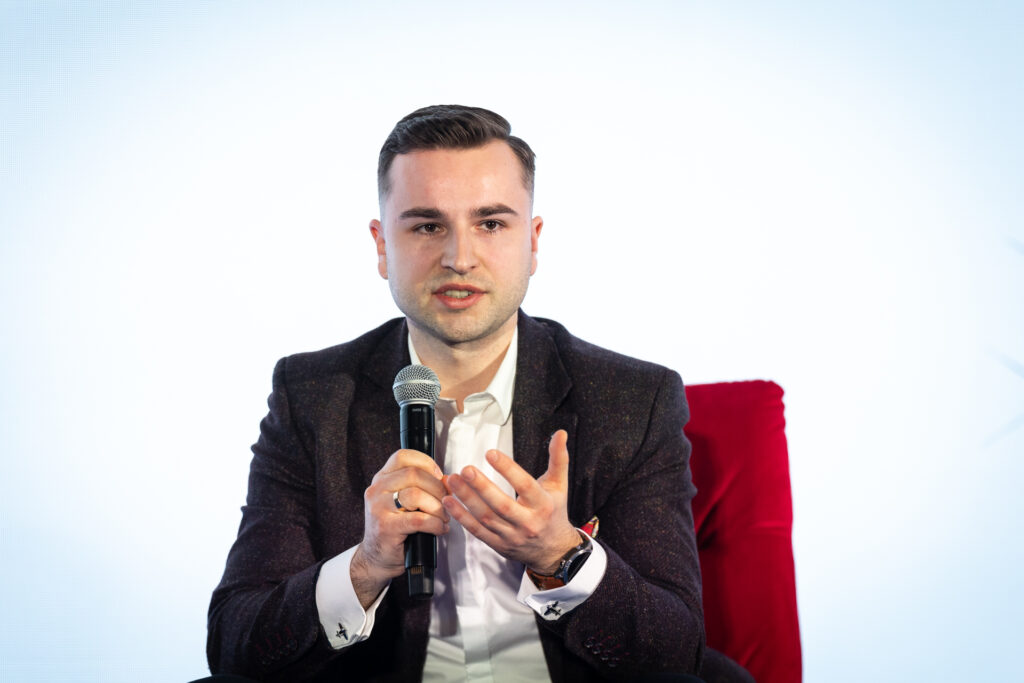
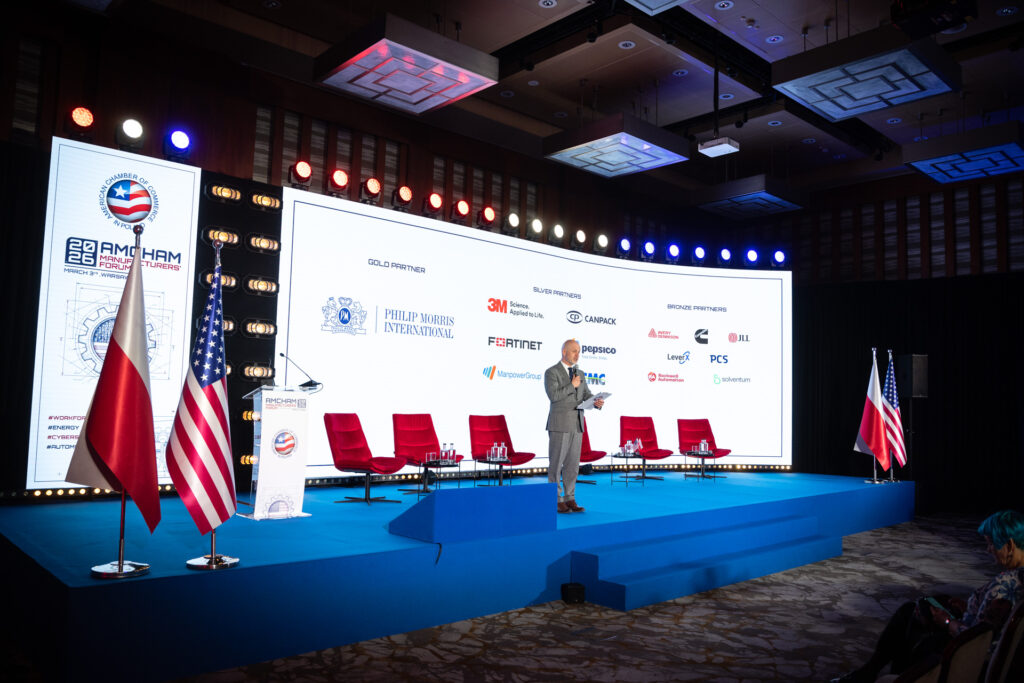
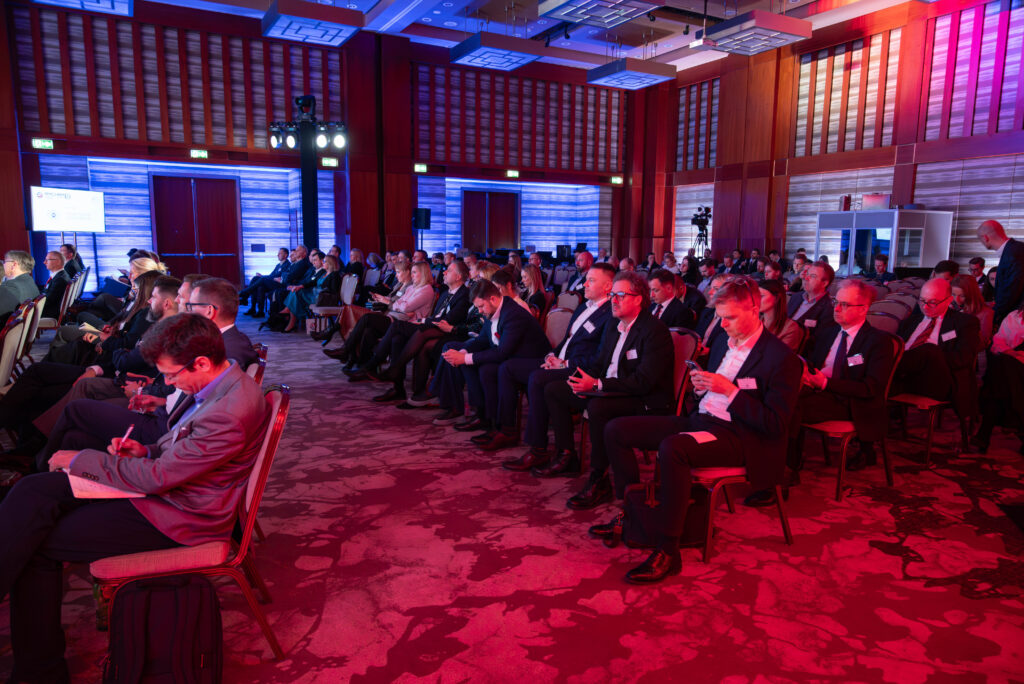
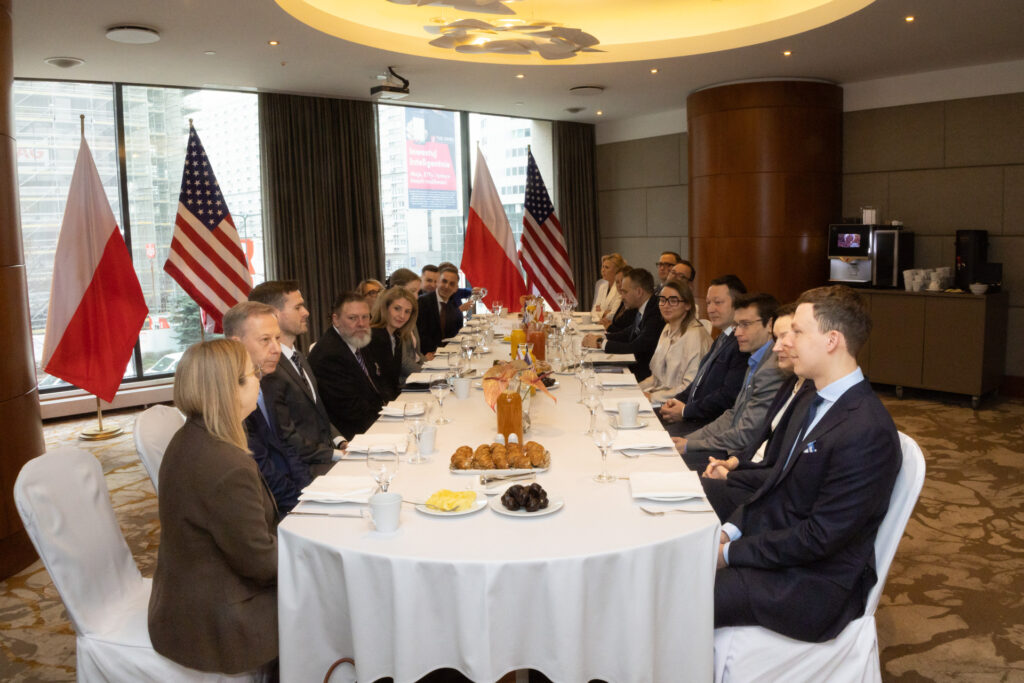
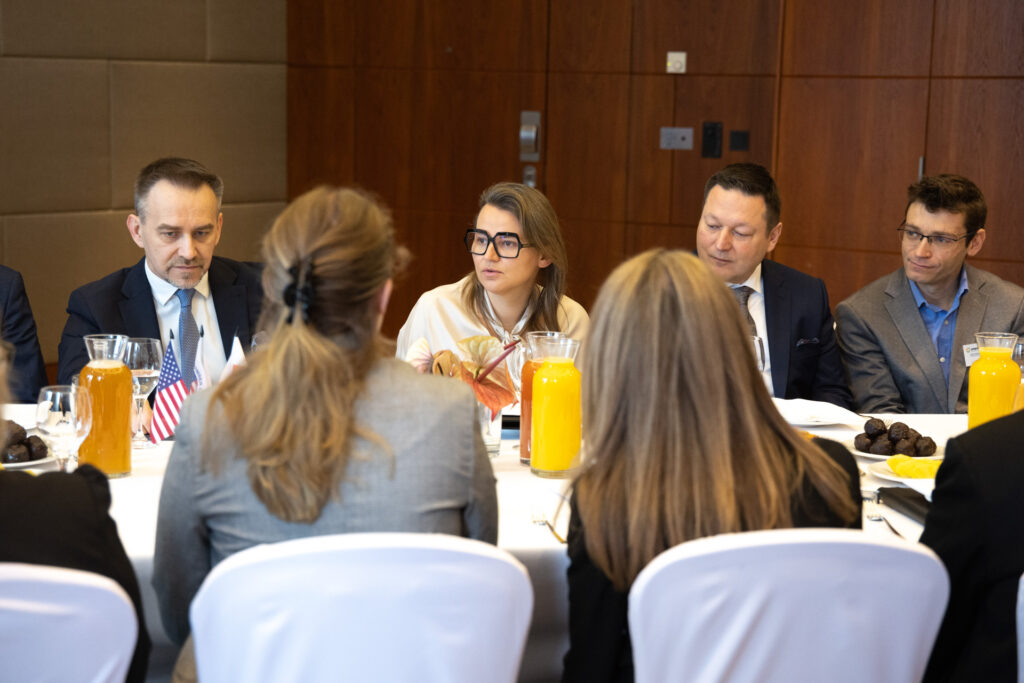
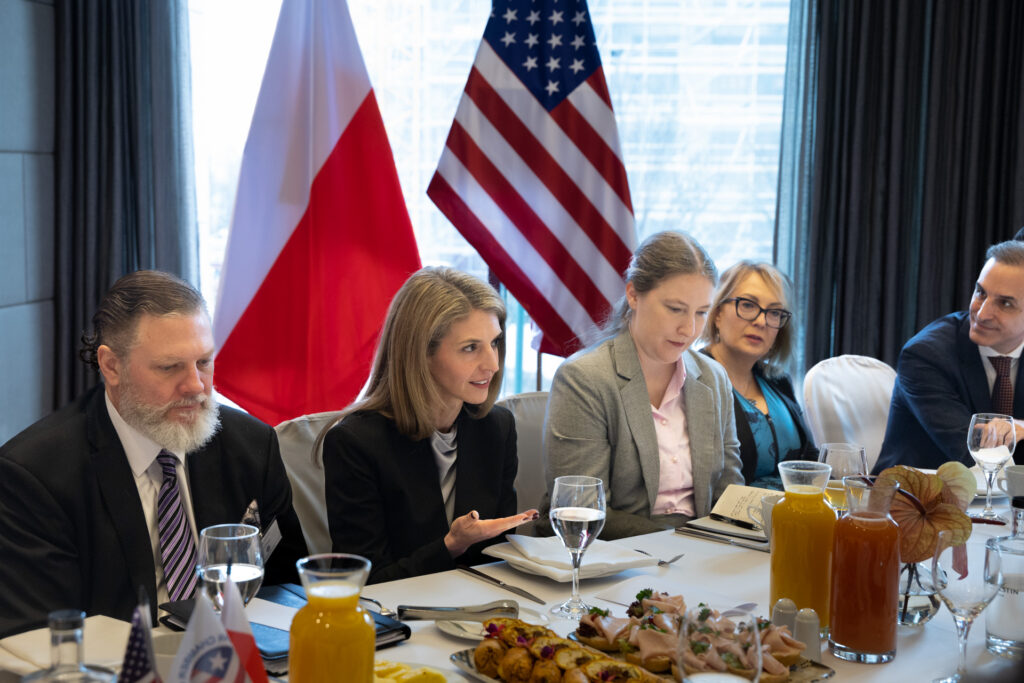
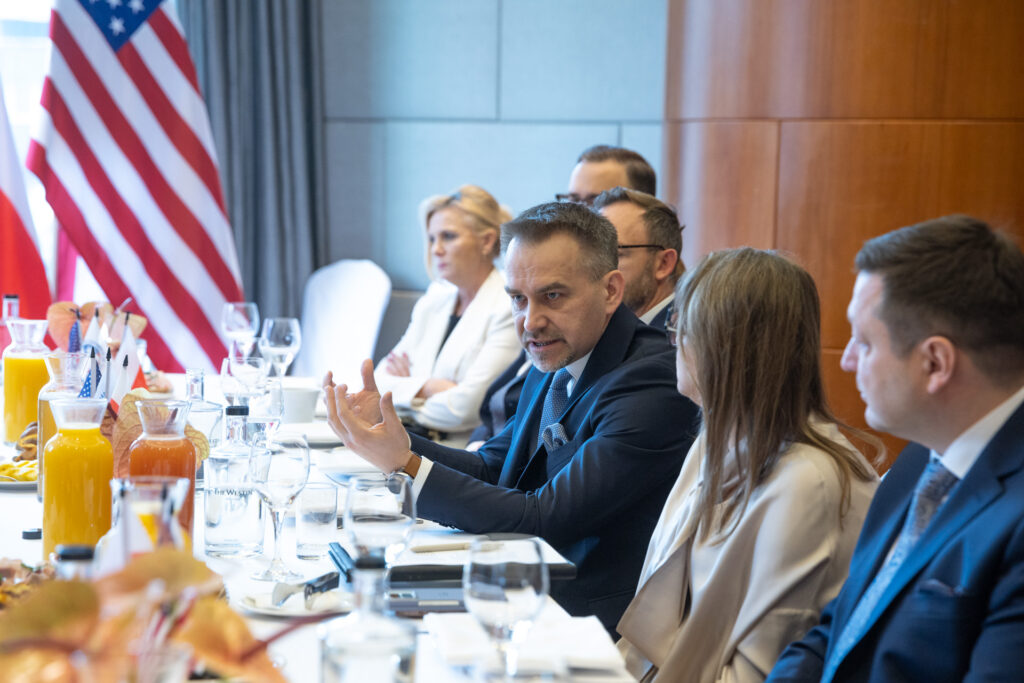
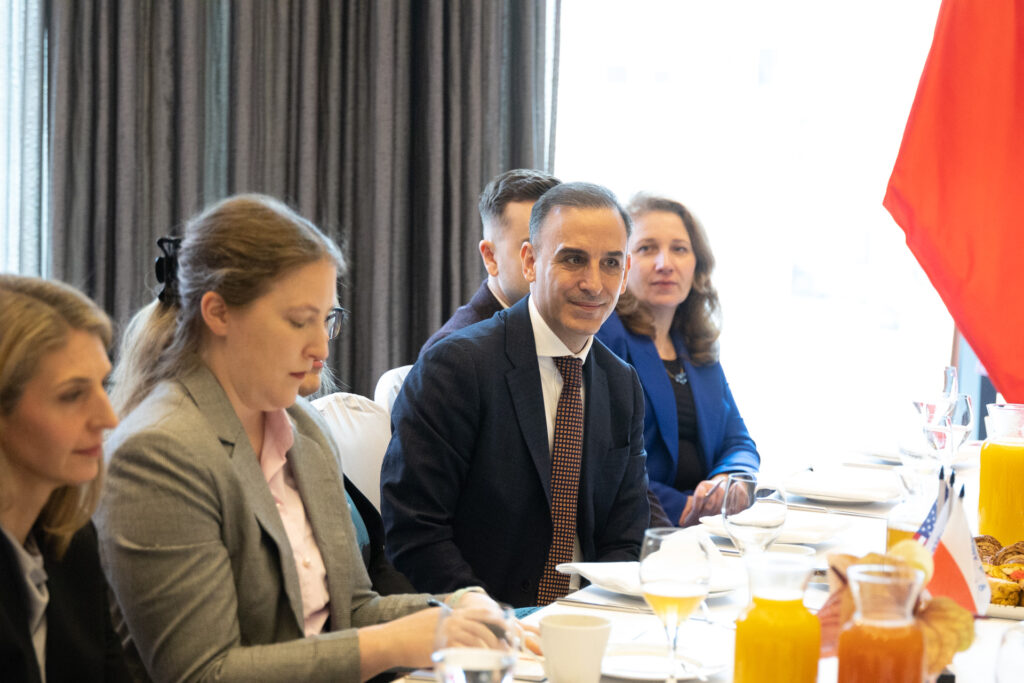
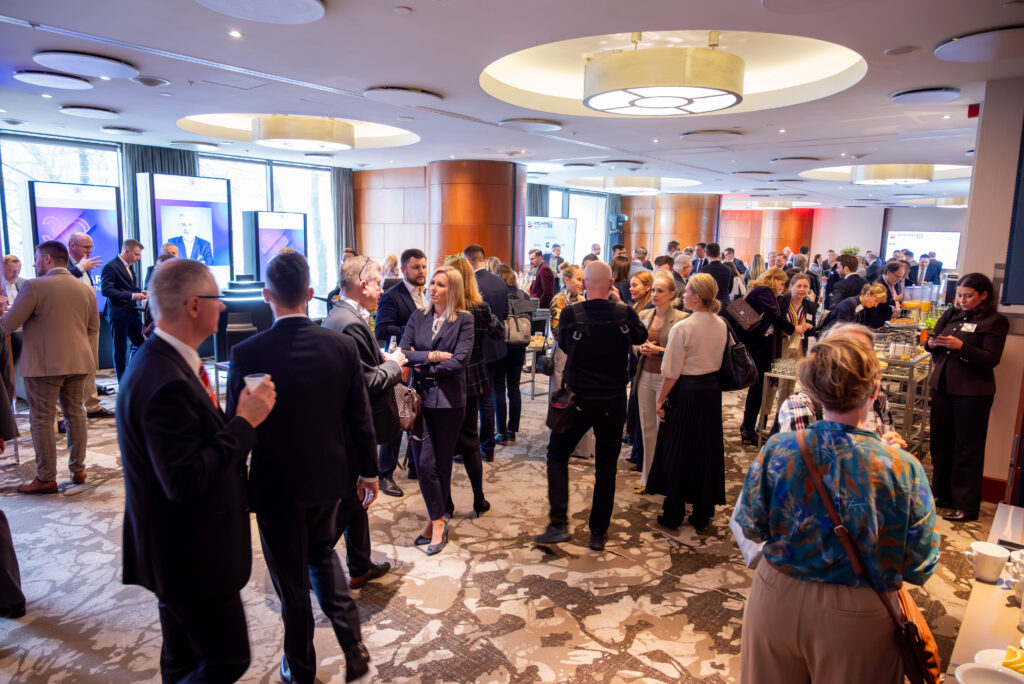
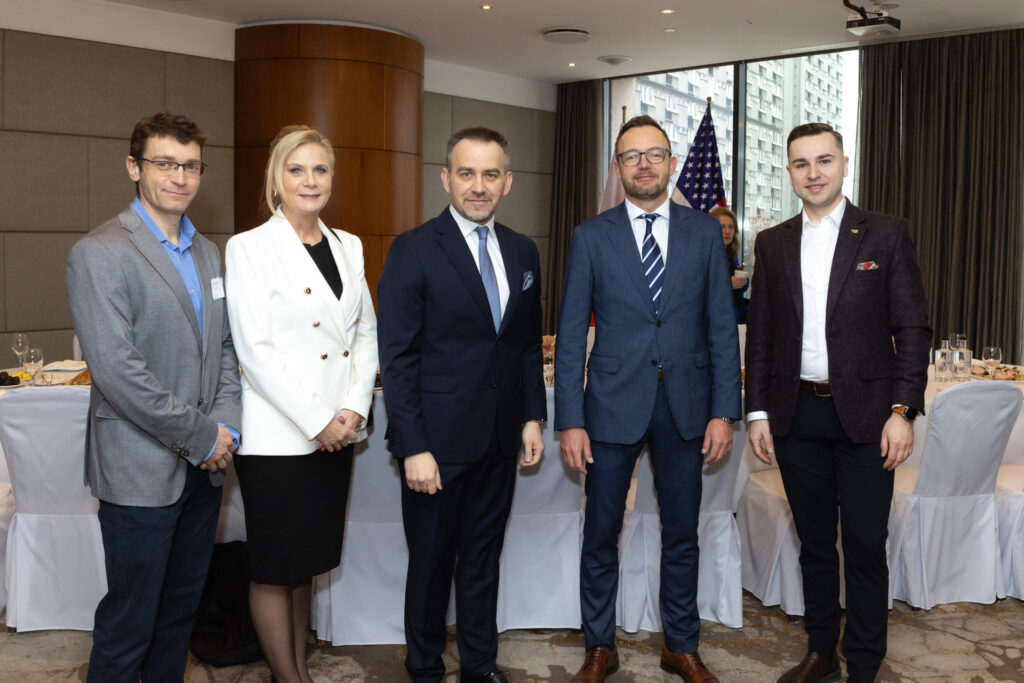
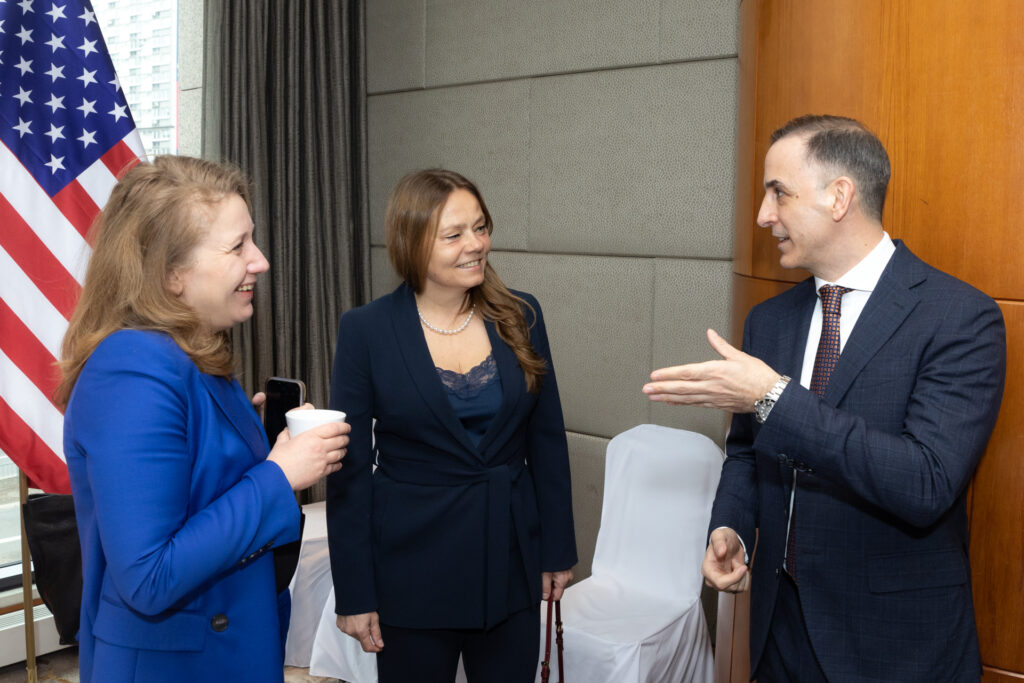
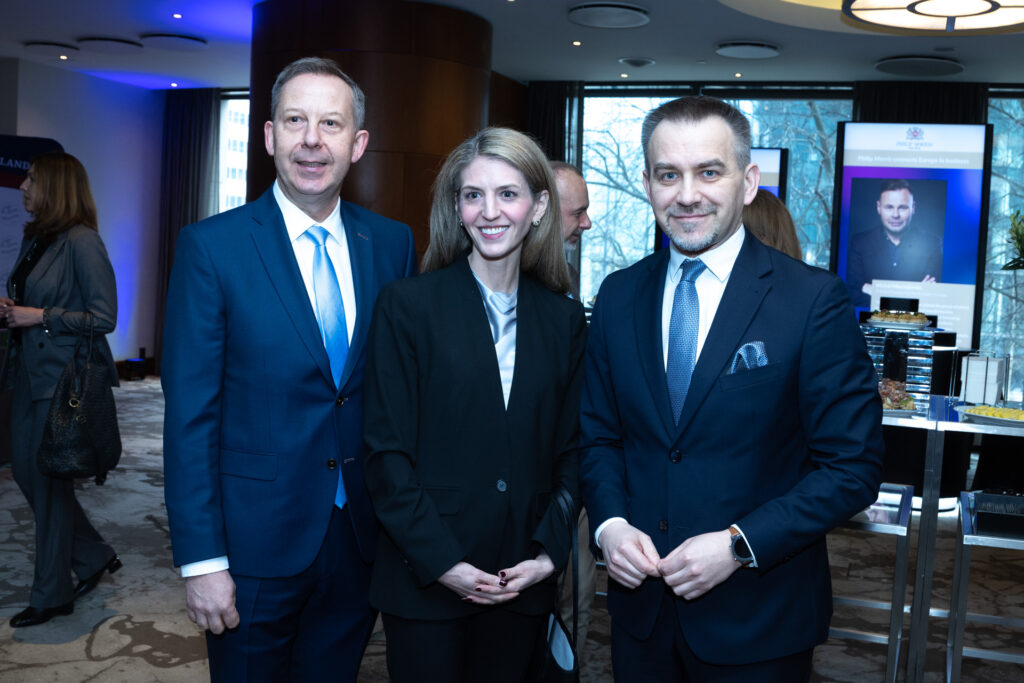
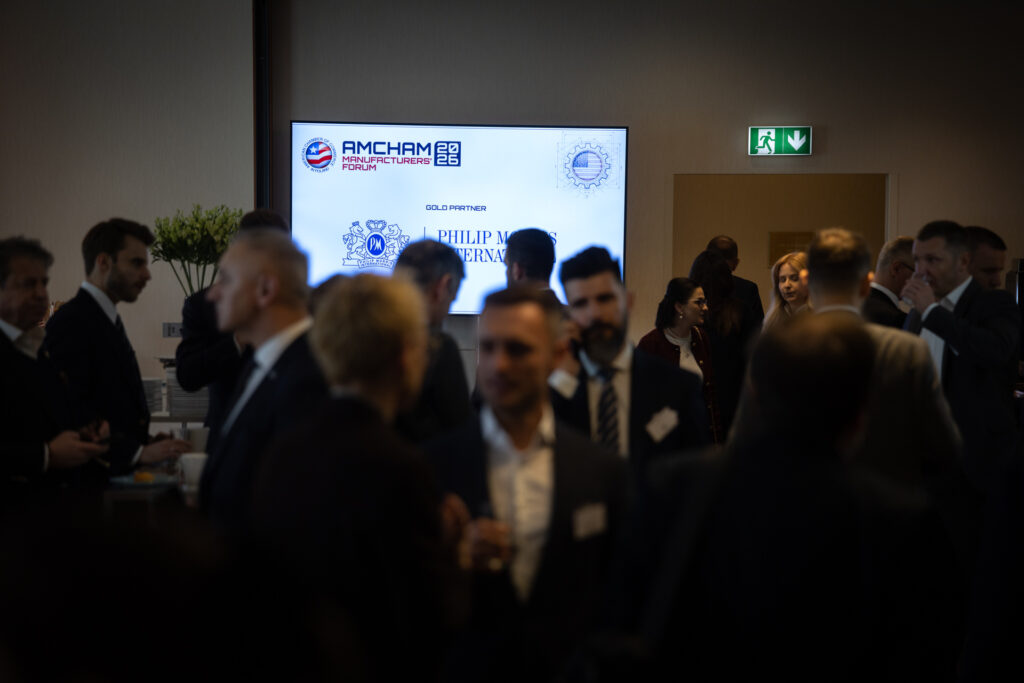
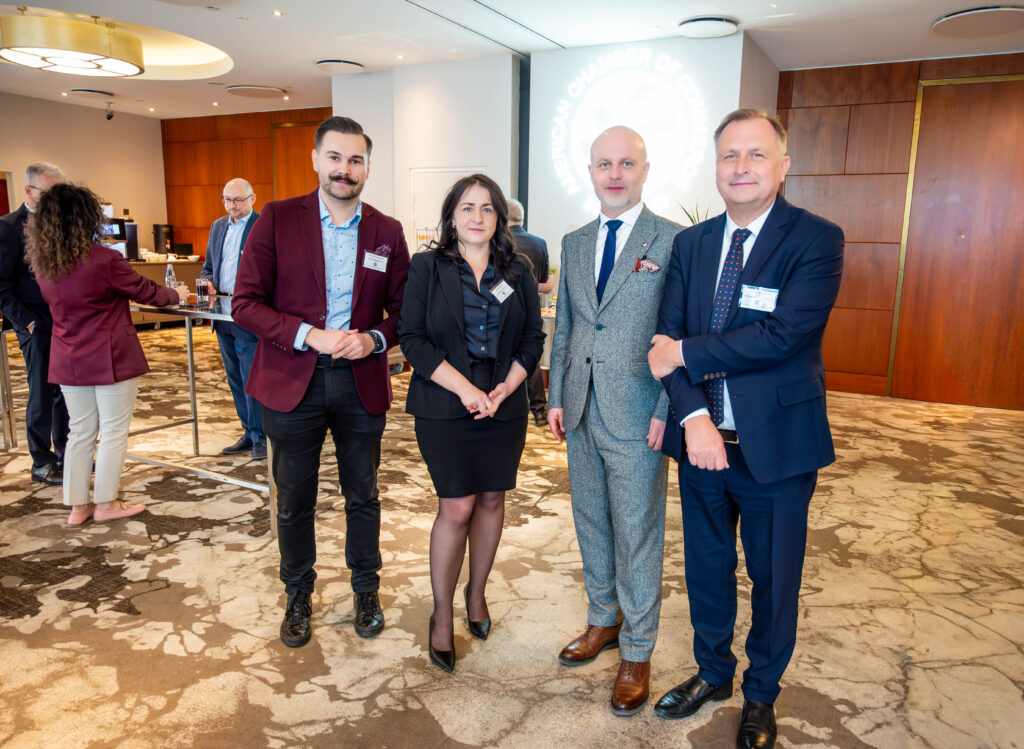
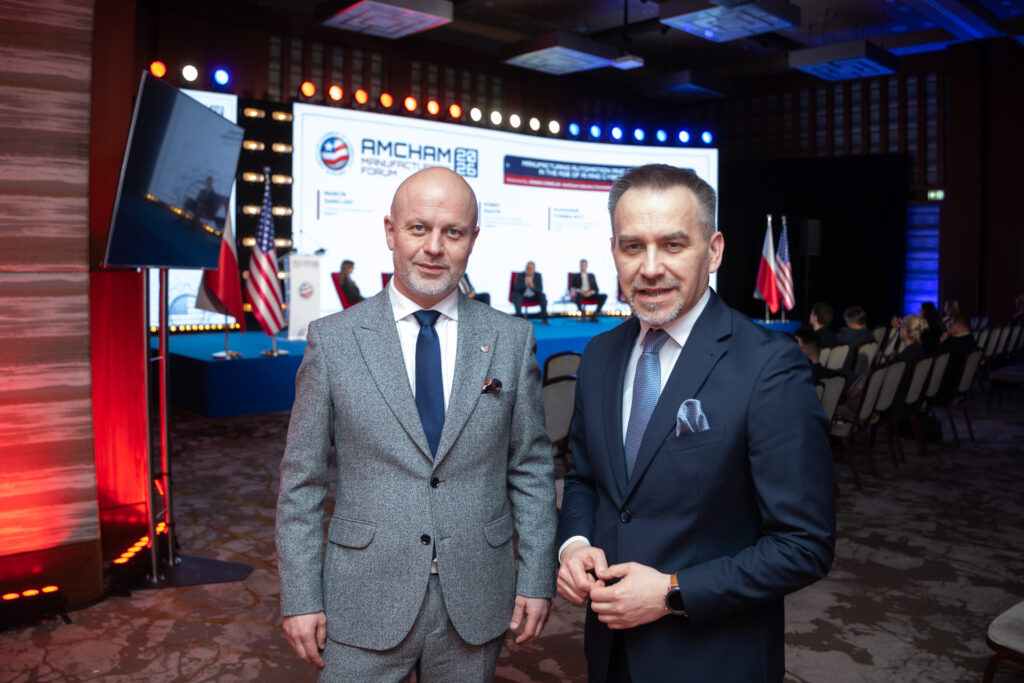
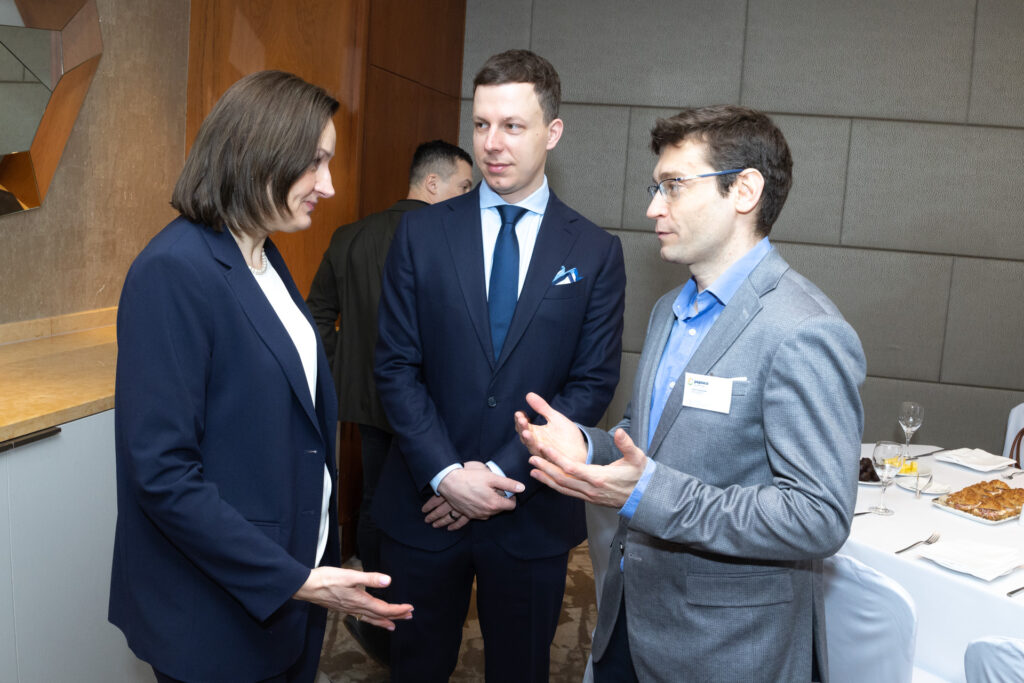
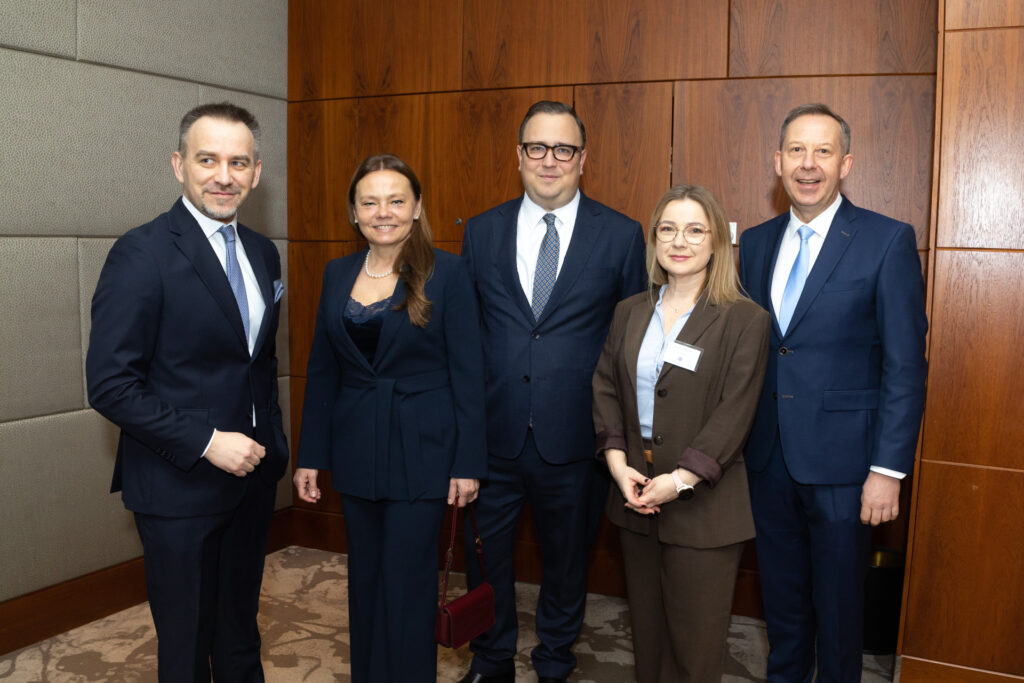
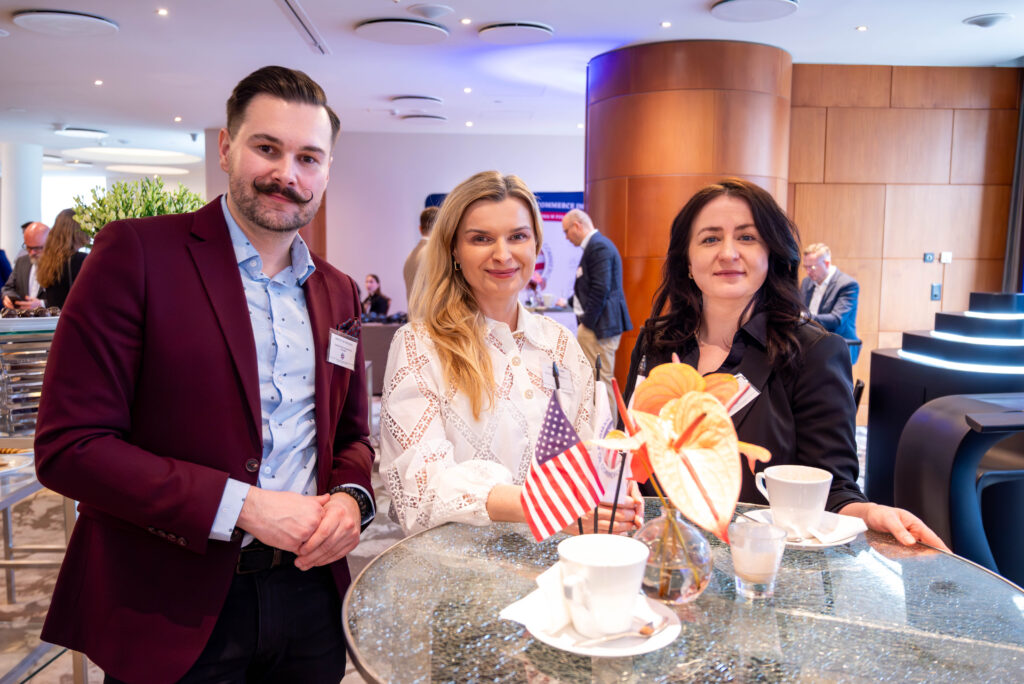
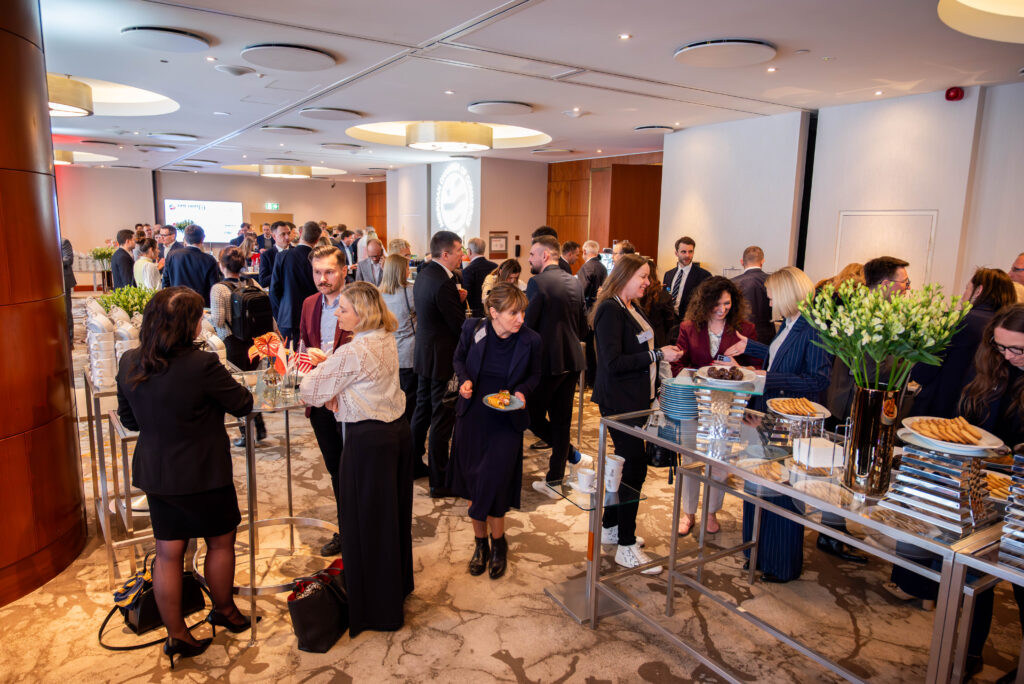
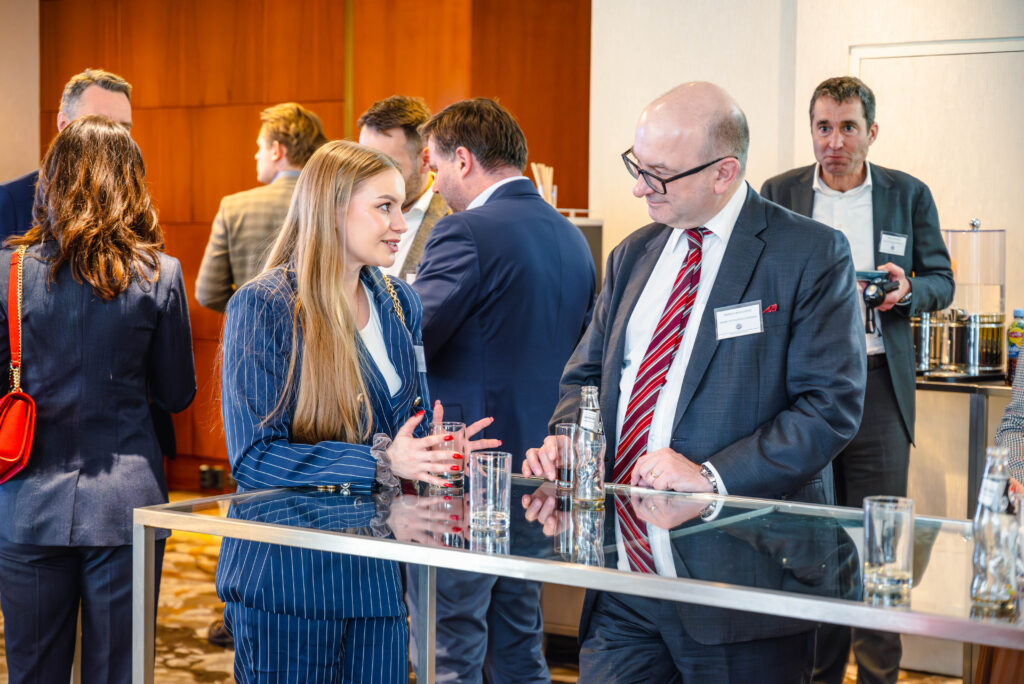
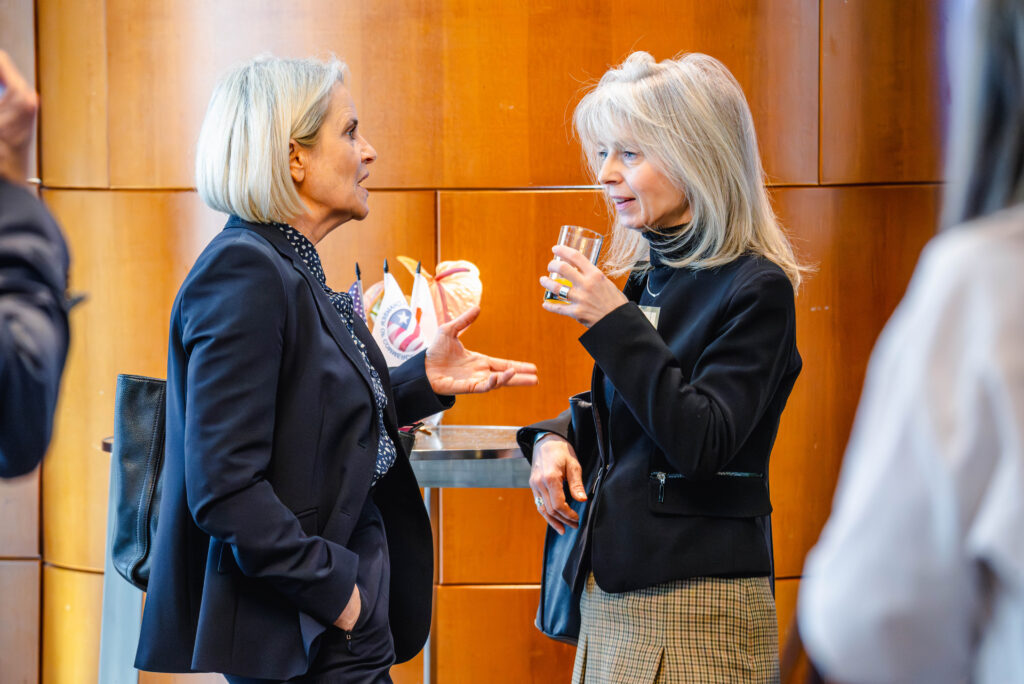
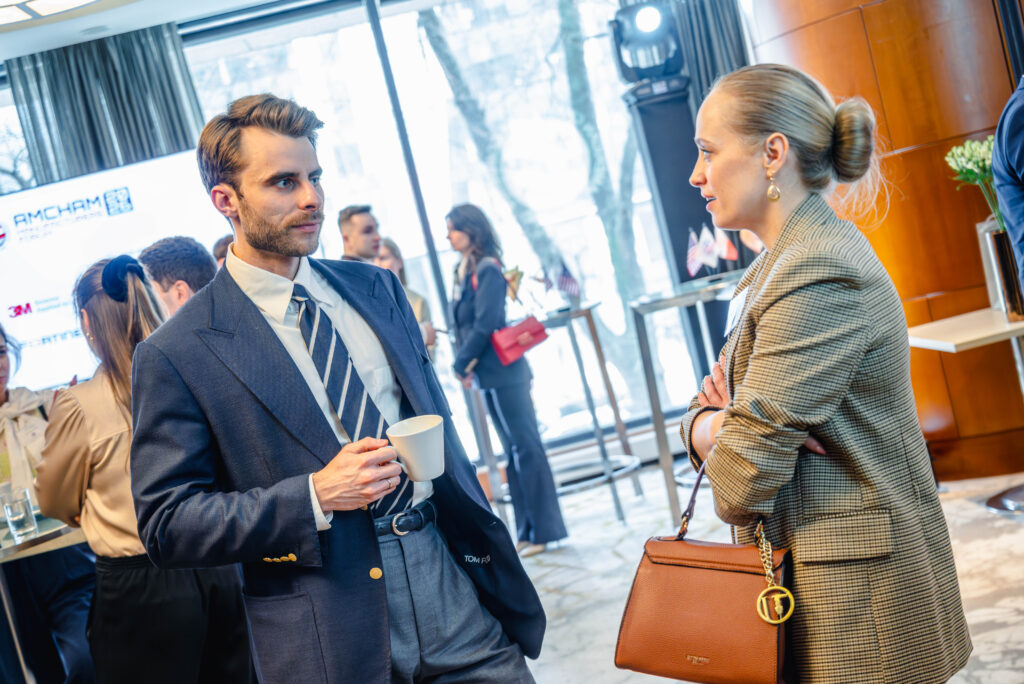
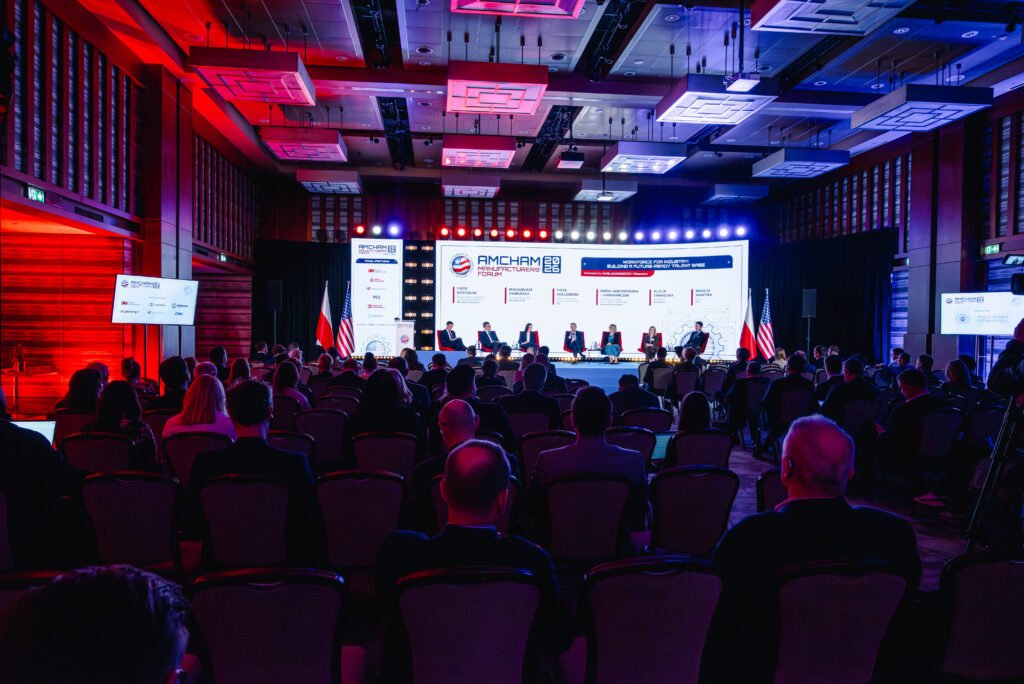
The AmCham Manufacturers’ Forum 2026 brought together business leaders, policymakers, and industry experts to discuss the evolving landscape of manufacturing in Poland and the continued strength of the U.S.–Poland economic partnership. The event served as a platform for dialogue on the opportunities and challenges facing U.S. manufacturing companies operating in Poland, while highlighting the importance of cooperation between industry, government, and institutions in maintaining the country’s competitiveness.
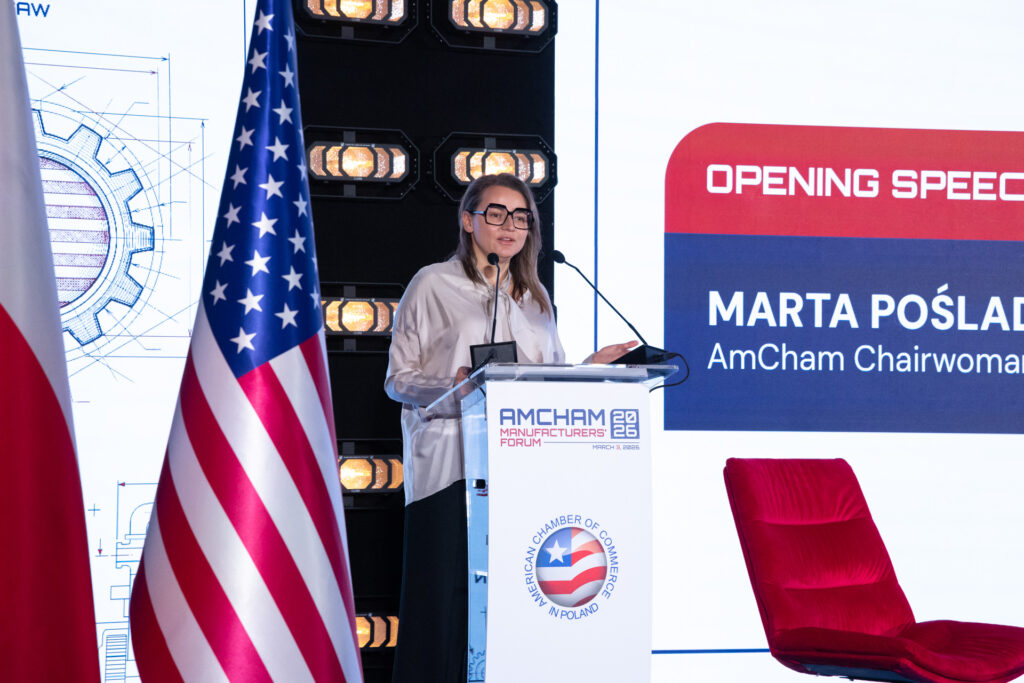
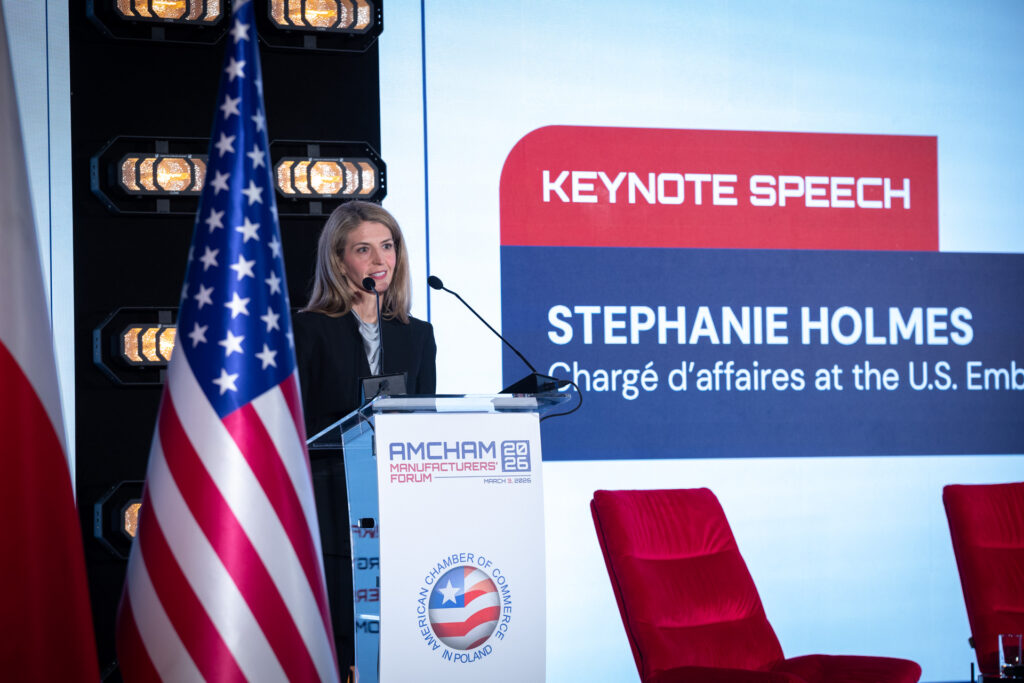
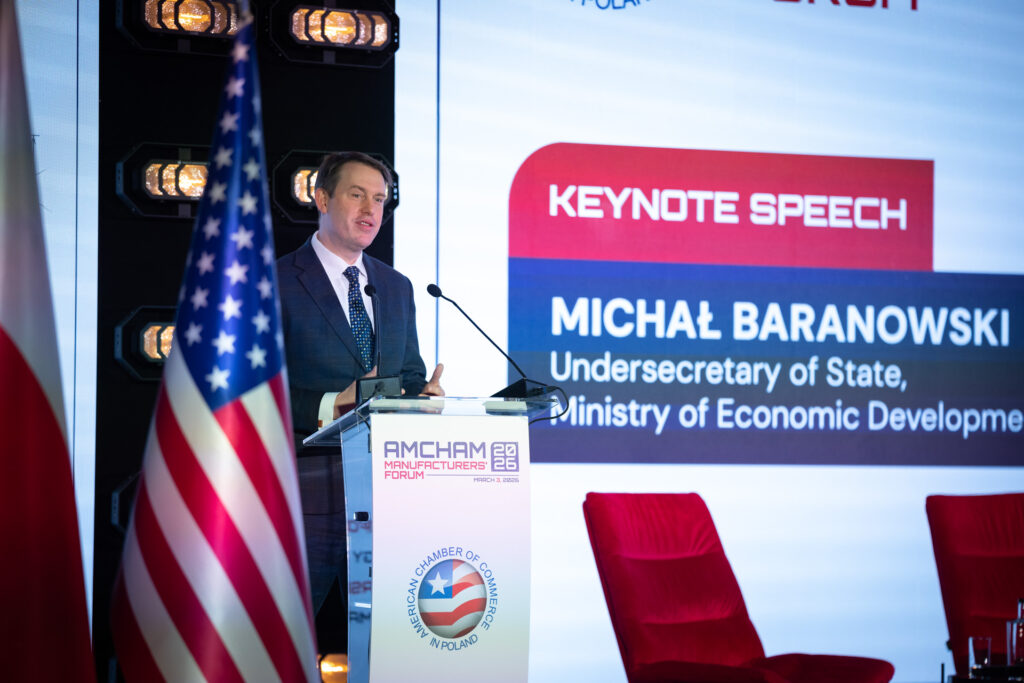
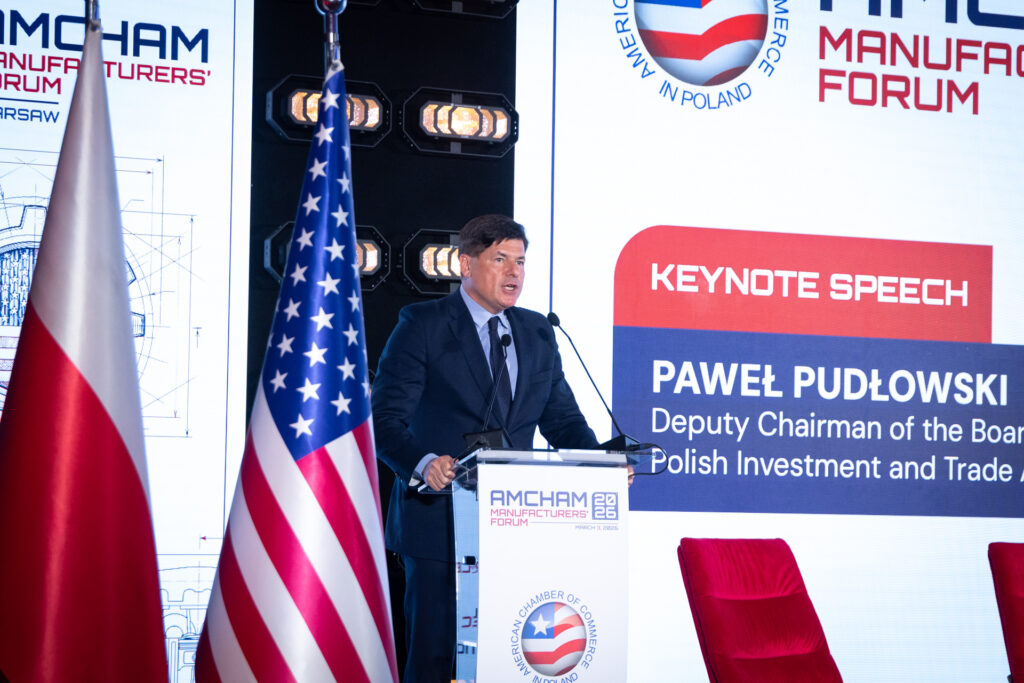
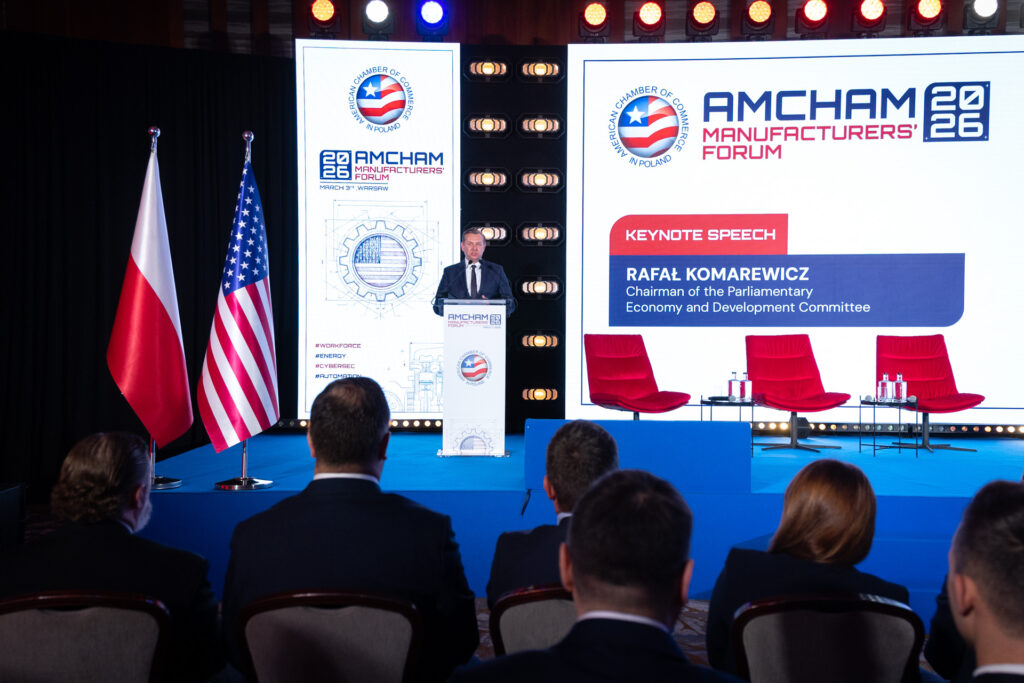
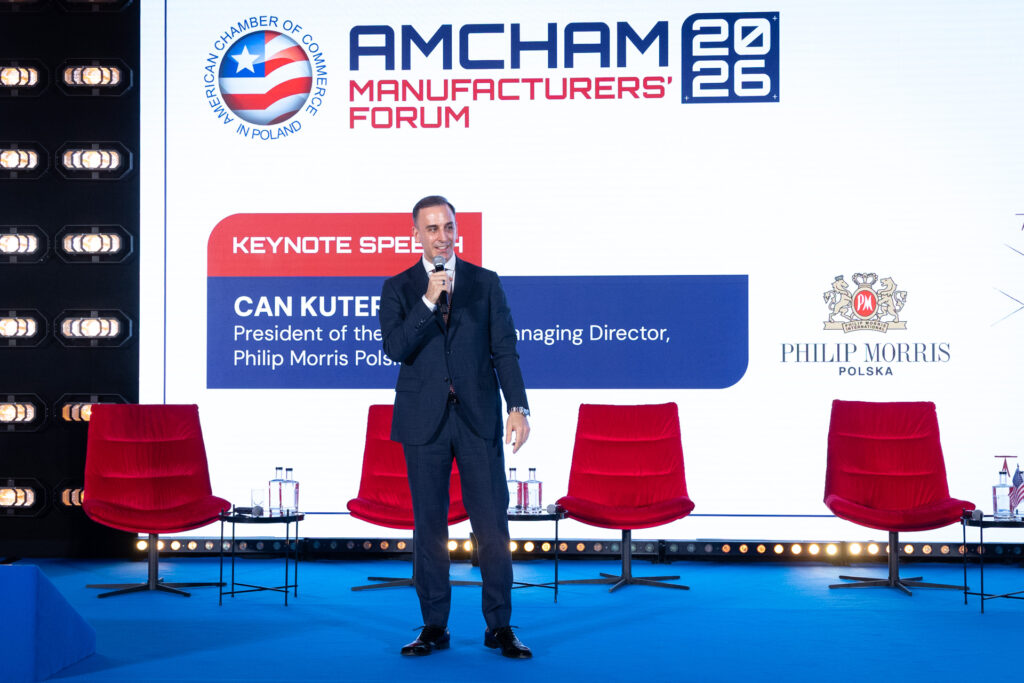
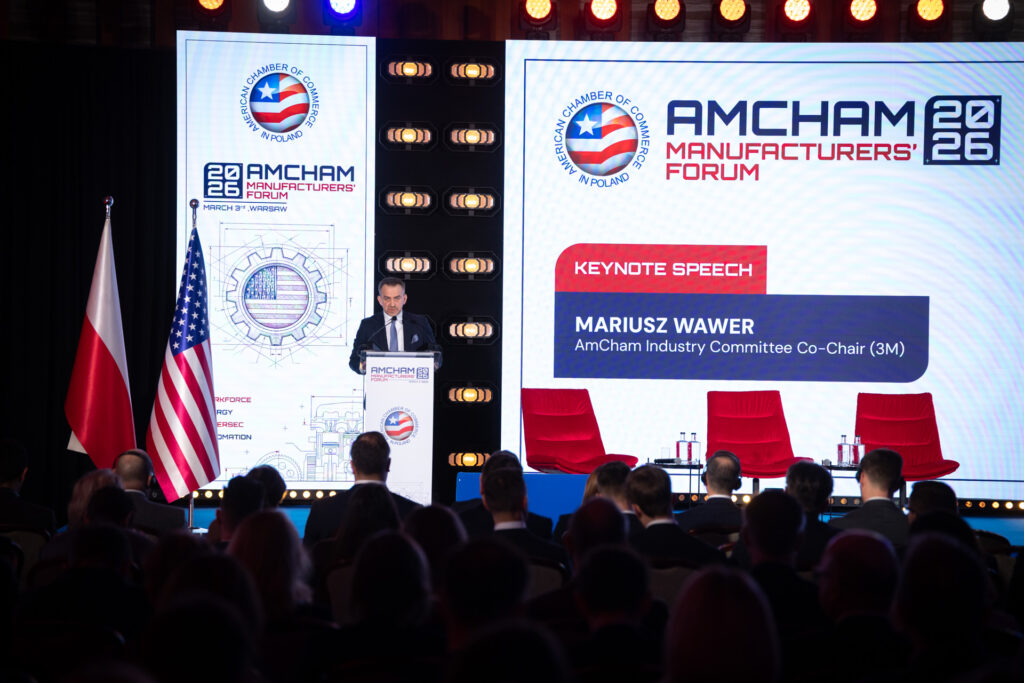
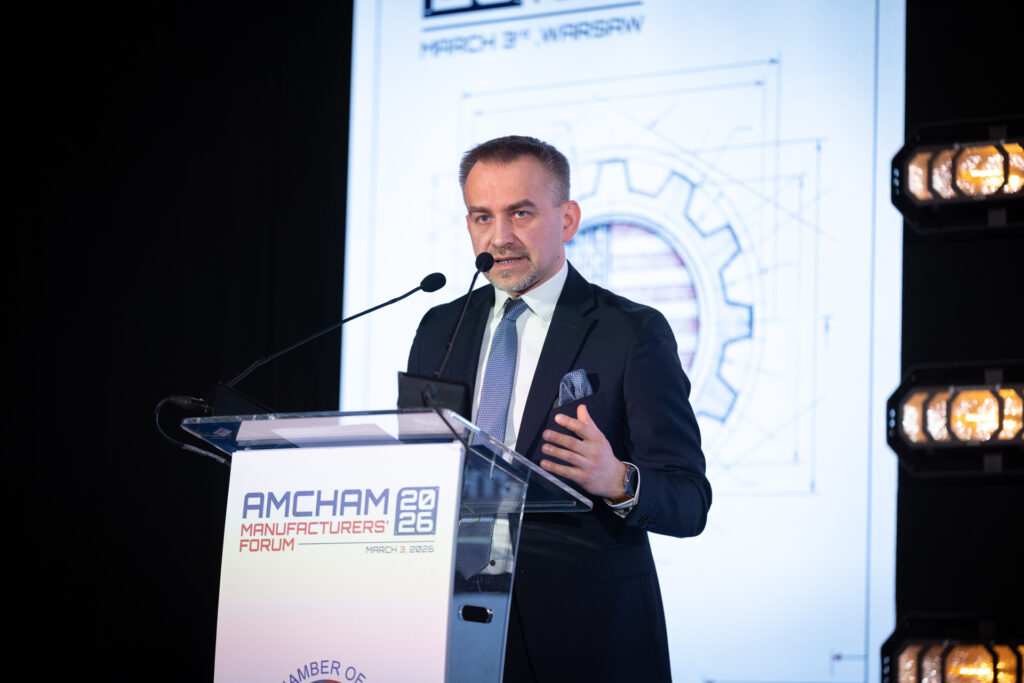
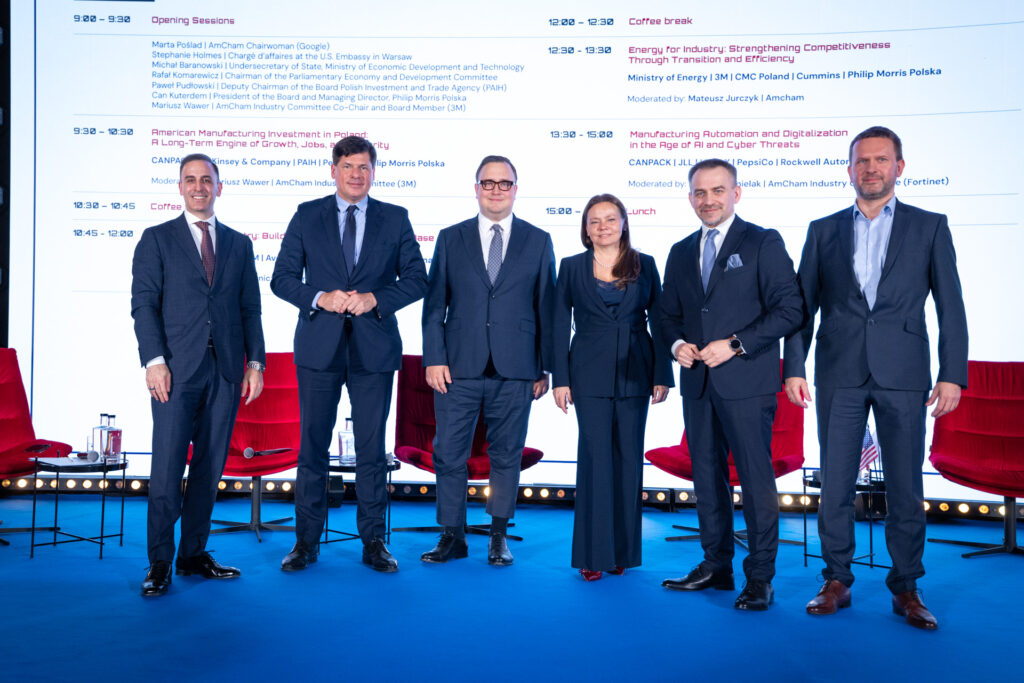
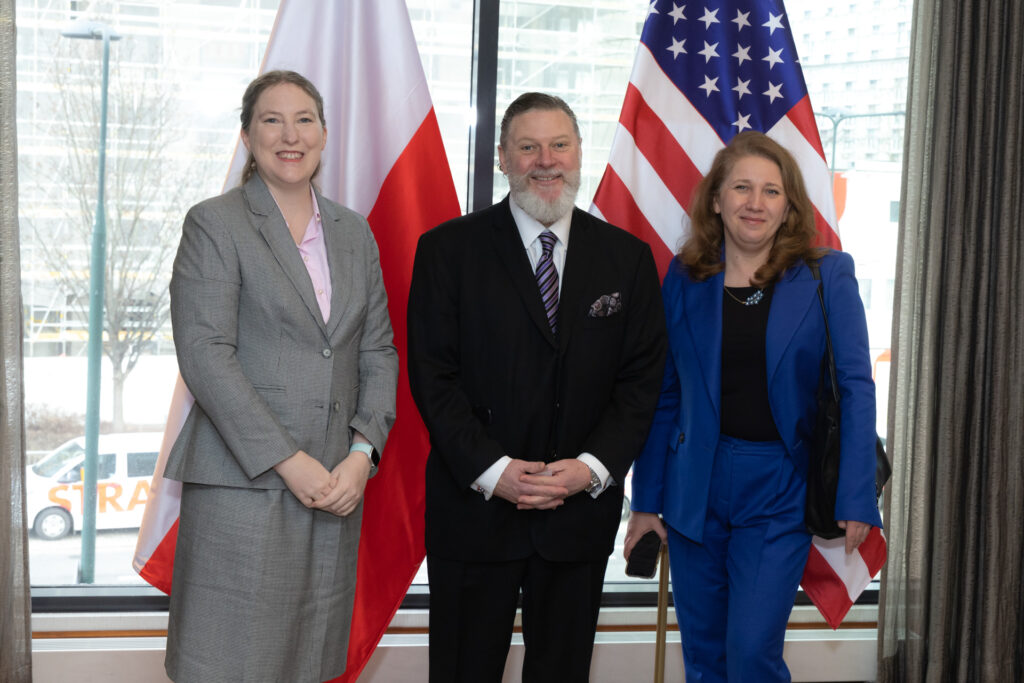
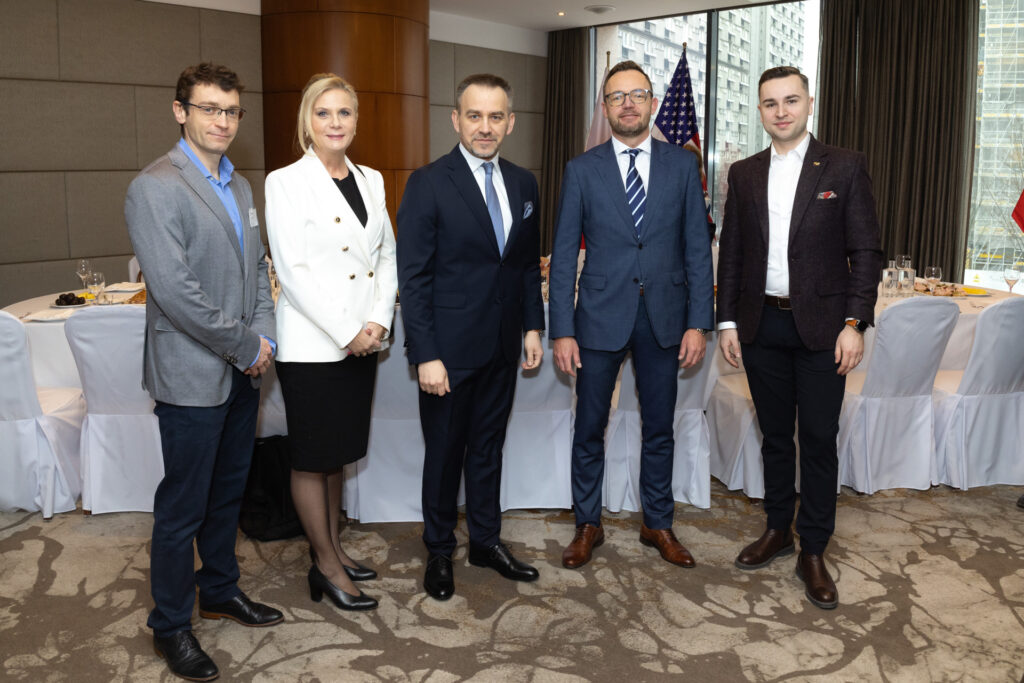
The Forum opened with remarks from Marta Poslad, AmCham Chairwoman (Google); Stephanie Holmes, Chargé d’Affaires at the U.S. Embassy in Warsaw; Michał Baranowski, Undersecretary of State at the Ministry of Economic Development and Technology; Rafał Komarewicz, Chairman of the Parliamentary Economy and Development Committee; Paweł Pudłowski, Deputy Chairman of the Board at the Polish Investment and Trade Agency; Can Kuterdem, President of the Board and Managing Director at Philip Morris Polska; and Mariusz Wawer, AmCham Board Member and Industry Committee Co-Chair (3M). Their remarks emphasized the importance of continued cooperation between business and public institutions in maintaining Poland’s position as a leading destination for industrial investment.
Investment and Poland’s Competitive Position
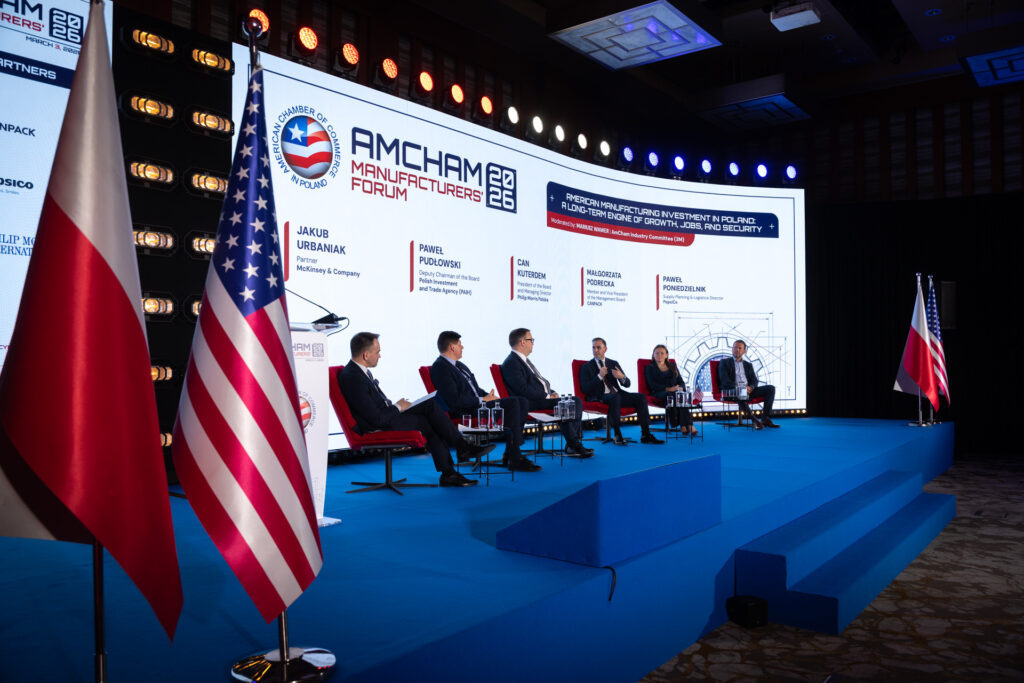
The first panel, “American Manufacturing Investment in Poland – A Long-Term Engine of Growth, Jobs, and Security,”explored how geopolitical developments, shifting supply chains, and increasing competition across Central and Eastern Europe are influencing global investment decisions.
Moderated by Mariusz Wawer (3M), the panel featured Can Kuterdem (Philip Morris International), Paweł Pudłowski (Polish Investment and Trade Agency – PAIH), Małgorzata Podrecka (CANPACK Group), Paweł Poniedzielnik (PepsiCo), and Jakub Urbaniak (McKinsey & Company).
Panelists highlighted that investment strategies today are shaped not only by cost considerations, but also by supply chain resilience, geopolitical stability, and the reliability of local business environments. Poland’s strong talent pool, openness to innovation, and growing industrial ecosystem were identified as important strengths. At the same time, participants stressed the need for regulatory stability, continued modernization of infrastructure, and strong collaboration between business and public institutions to ensure Poland remains an attractive destination for global manufacturing investment.
Building a Future-Ready Workforce
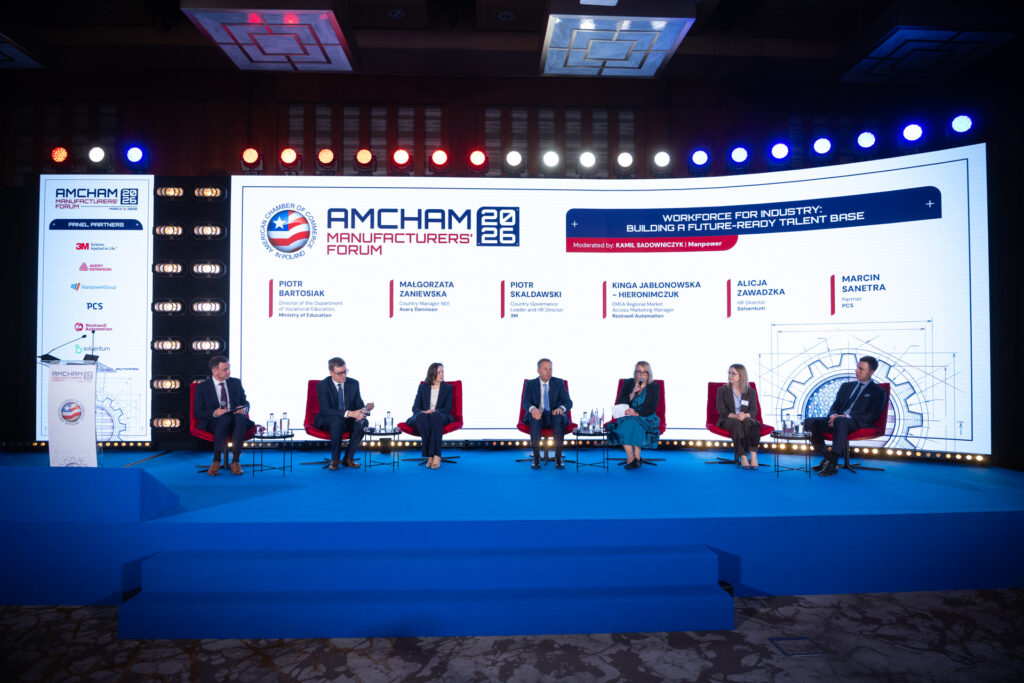
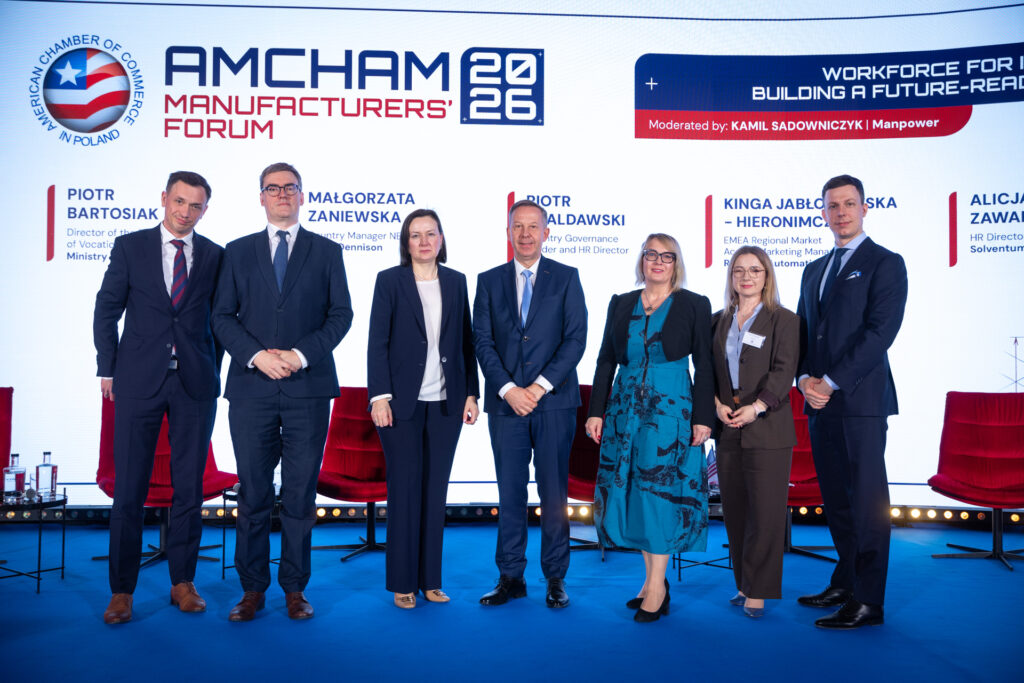
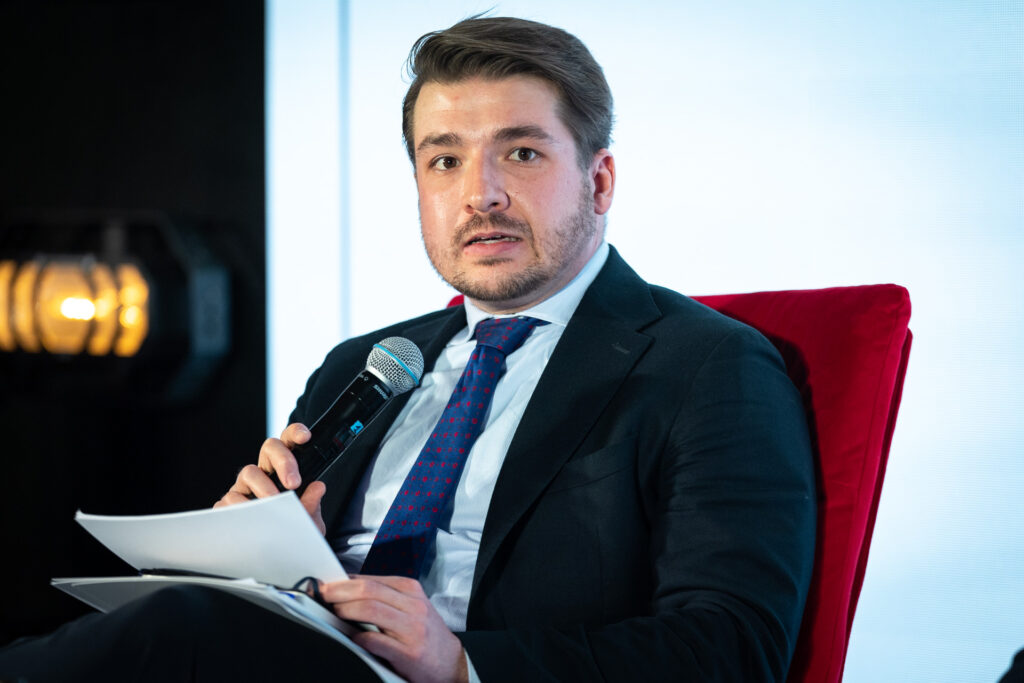
Workforce development was the focus of the second panel, “Workforce for Industry: Building a Future-Ready Talent Base.” The discussion was introduced by Luiza Luranc-Jaworek, (ManpowerGroup), and moderated by Kamil Sadowniczyk, (ManpowerGroup).
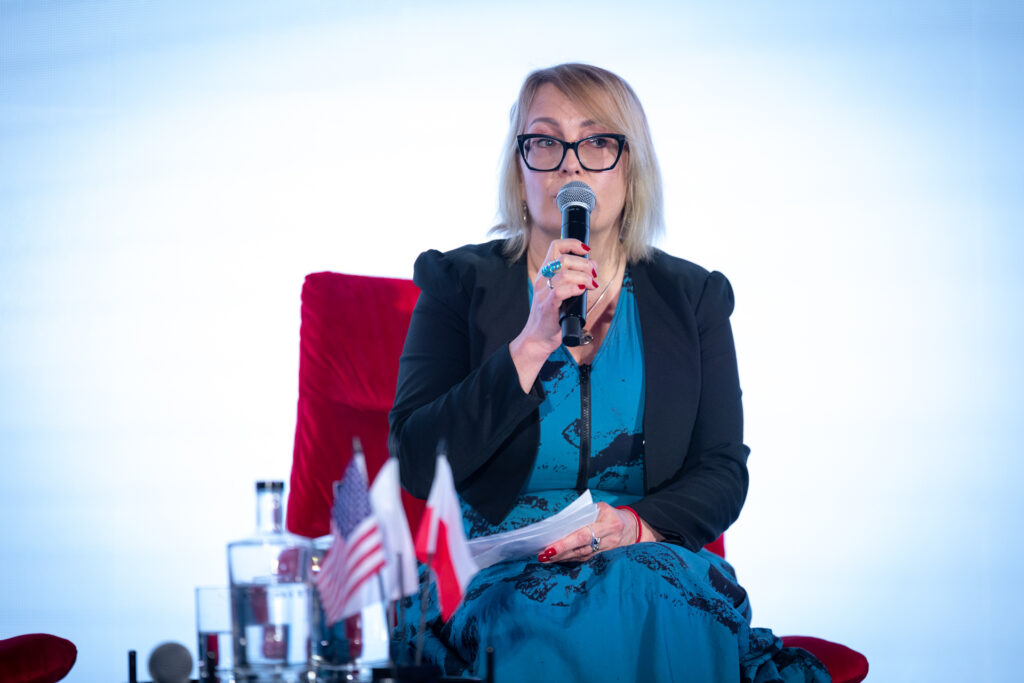
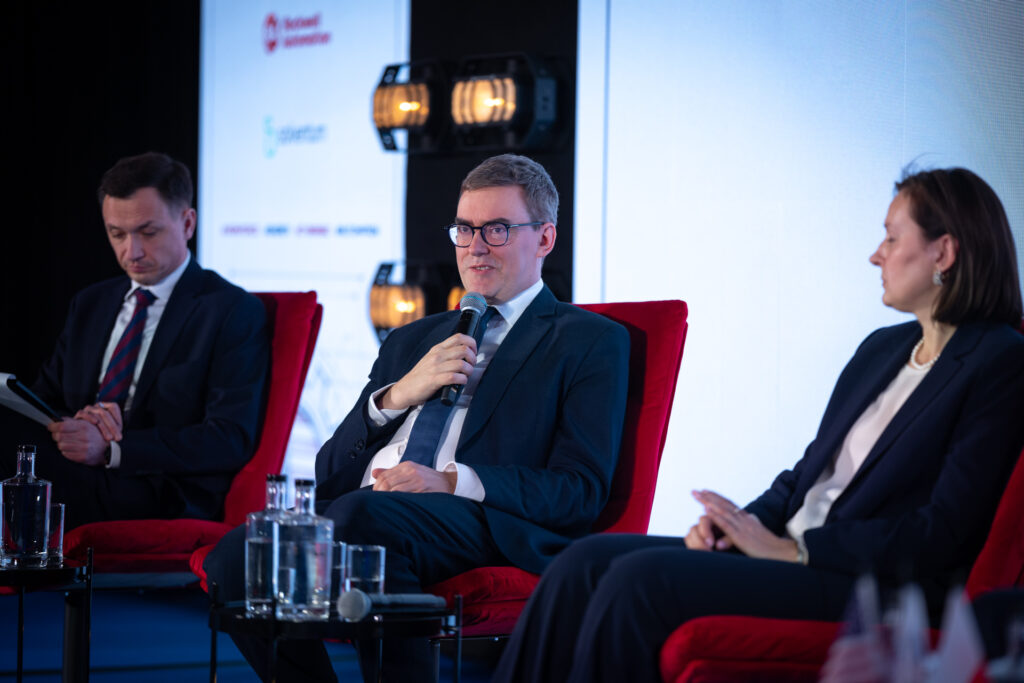
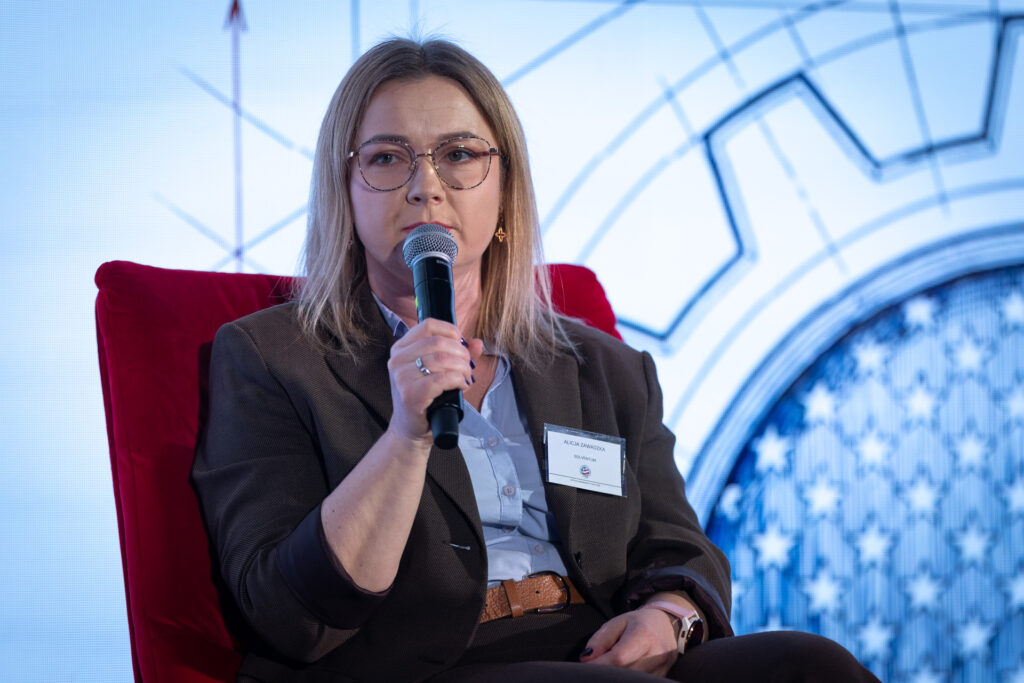
The panel featured Piotr Bartosiak, Director of the Department of Vocational Education at the Ministry of National Education, Małgorzata Zaniewska (Avery Dennison), Piotr Skaldawski (3M), Kinga Jabłonowska-Hieronimczuk, (Rockwell Automation), Alicja Zawadzka (Solventum), and Marcin Sanetra (PCS).
Panelists discussed the growing skills mismatch in the labor market and emphasized that as automation and advanced technologies reshape industrial processes, demand for specialized competencies continues to grow. Vocational education—currently engaging around 1.2 million students in Poland—was highlighted as a key component in preparing future talent. The discussion underscored the importance of stronger cooperation between business, educational institutions, and public authorities to align training programs with the needs of modern industry.
Energy as a Foundation for Industrial Competitiveness
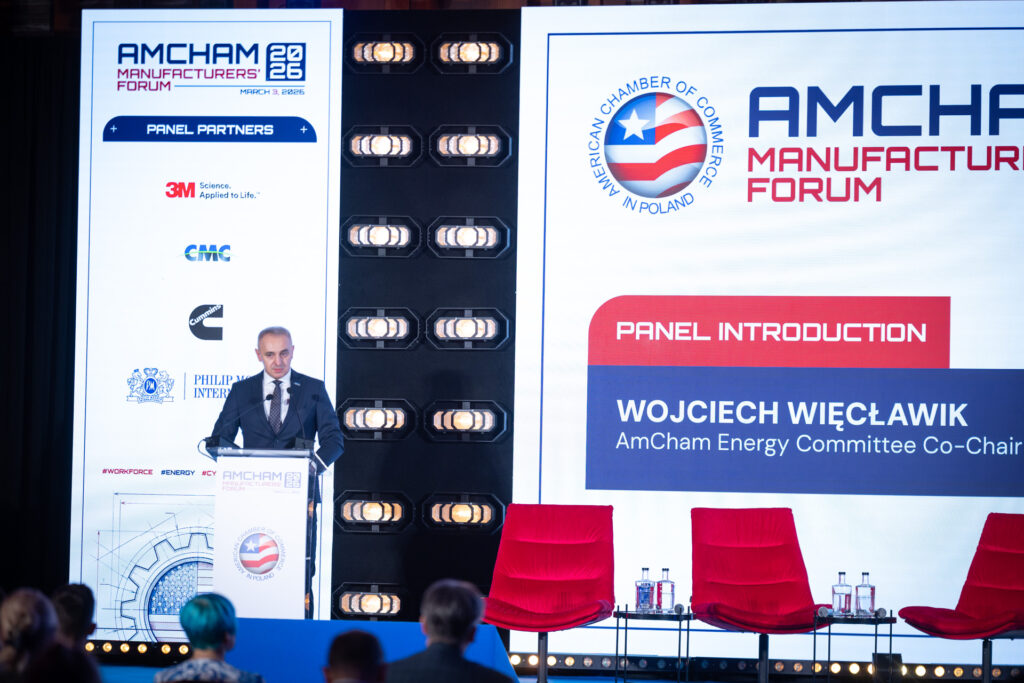
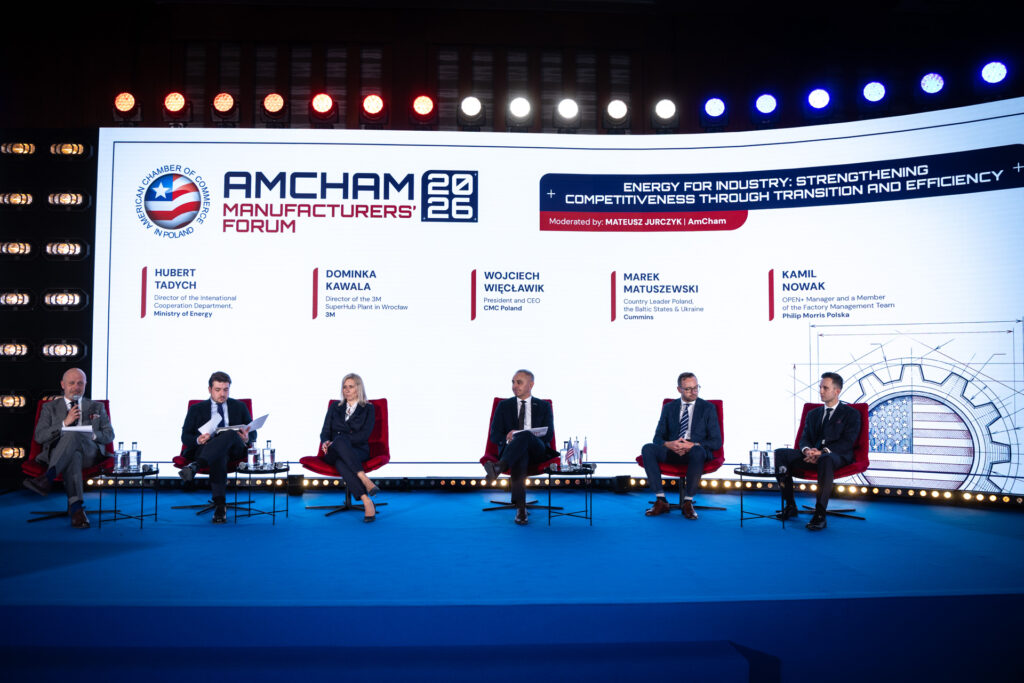
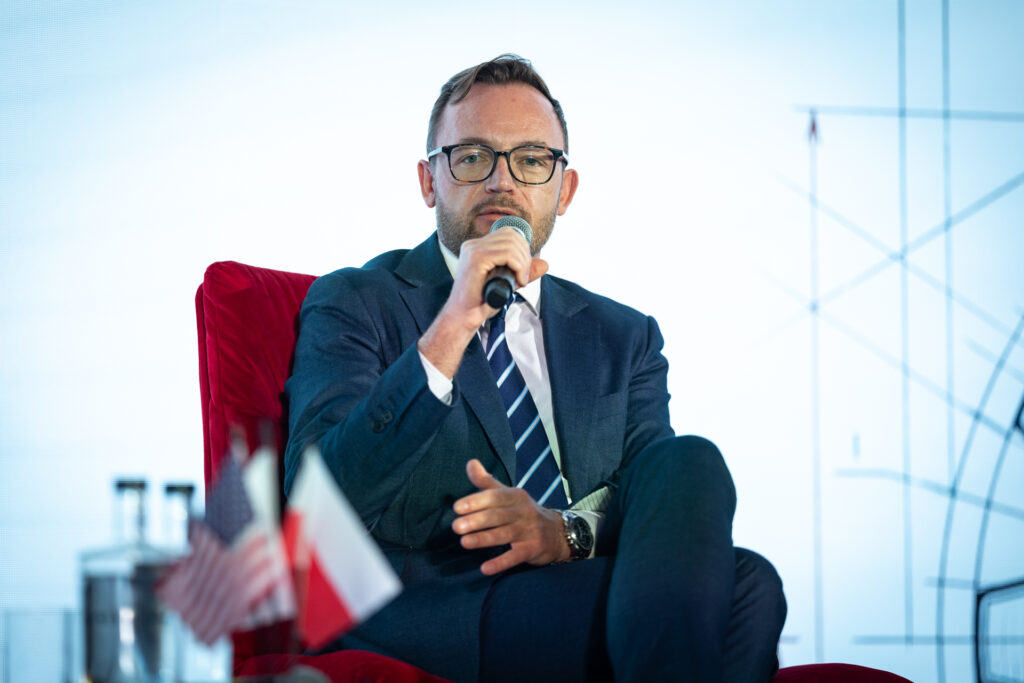
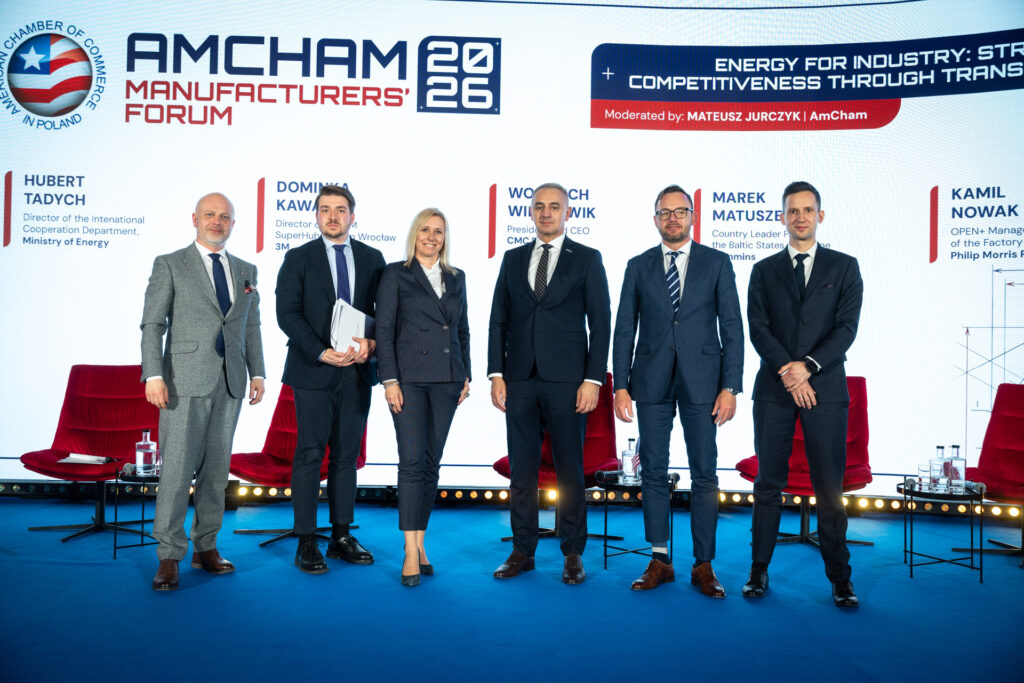
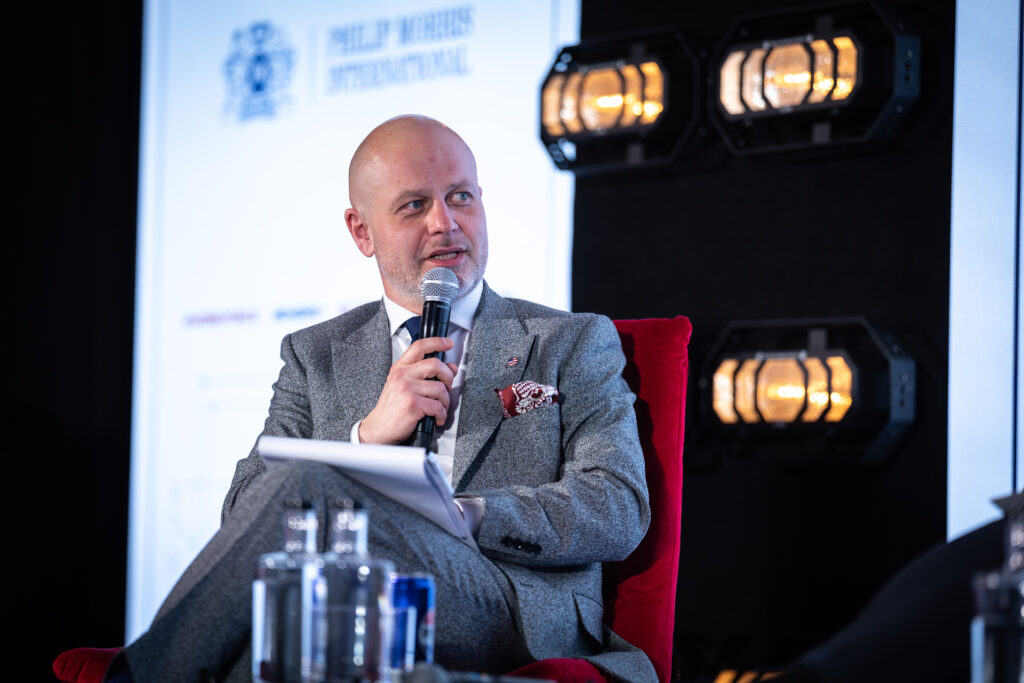
Energy policy and its impact on industry were the focus of the third panel, “Energy for Industry: Strengthening Competitiveness Through Transition and Efficiency.” The discussion was introduced and moderated by Mateusz Jurczyk (AmCham).
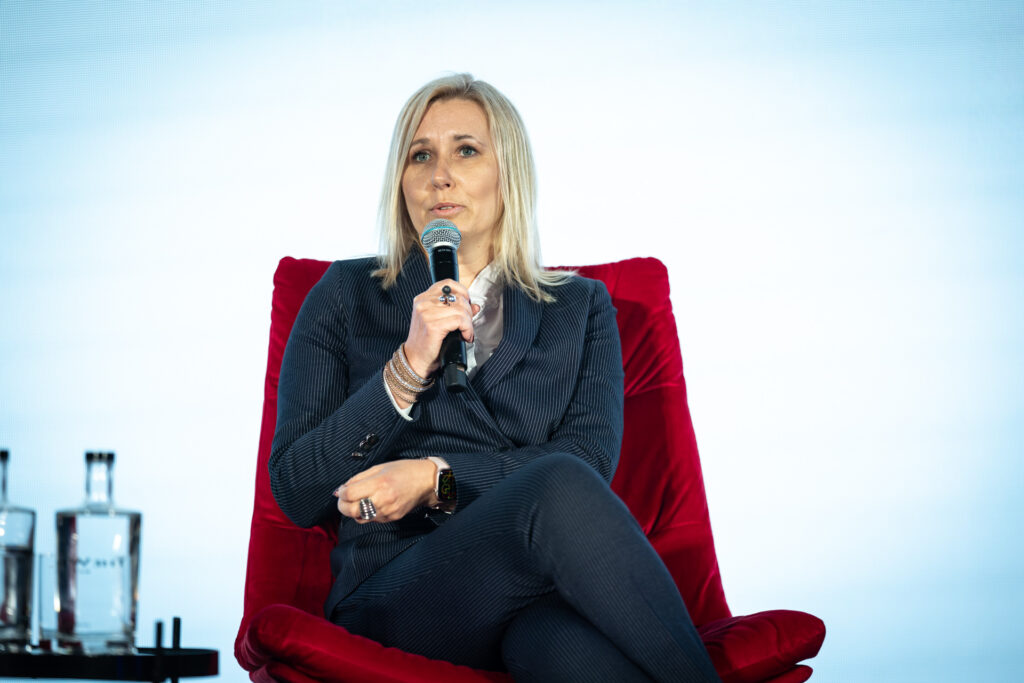
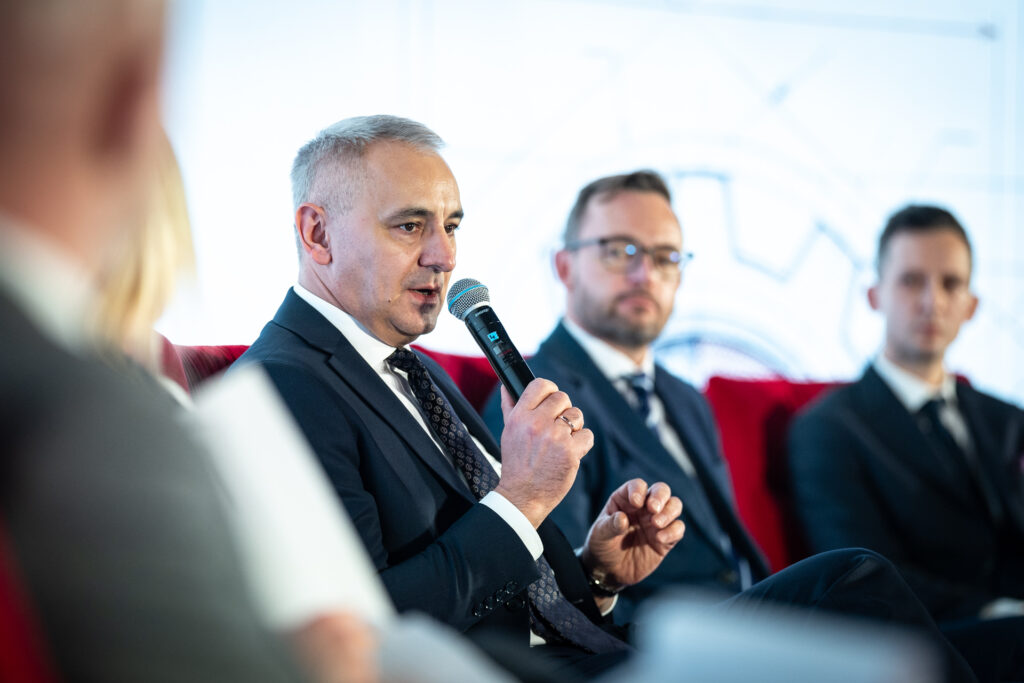
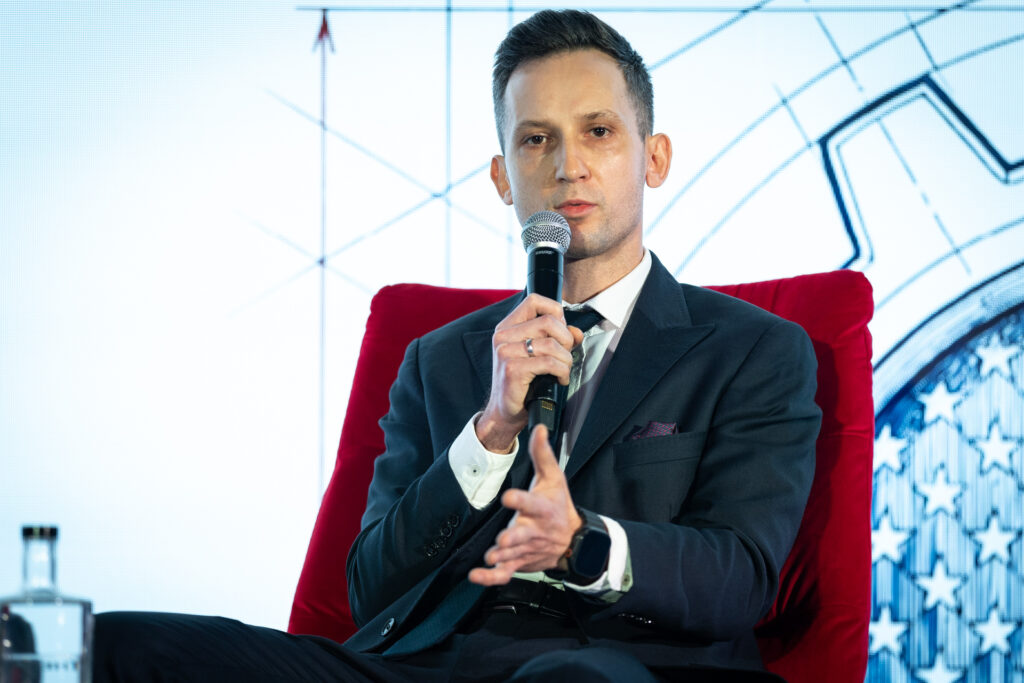
Panelists included Wojciech Więcławik (CMC Poland), Hubert Tadych, Director of the International Cooperation Department at the Ministry of Energy, Dominika Kawala (3M), Marek Matuszewski (Cummins), and Kamil Nowak (Philip Morris Polska).
Participants emphasized that stable, affordable, and secure energy supplies are essential for maintaining the competitiveness of energy-intensive industries. While Poland benefits from strong technical expertise and a well-developed industrial base, panelists noted that energy costs, infrastructure development, and supply continuity remain critical issues. The discussion highlighted the importance of diversifying energy sources, strengthening gas and LNG infrastructure, and continuing the long-term transition toward nuclear energy and renewables, supported by predictable regulatory frameworks.
Automation, Digitalization, and Cybersecurity
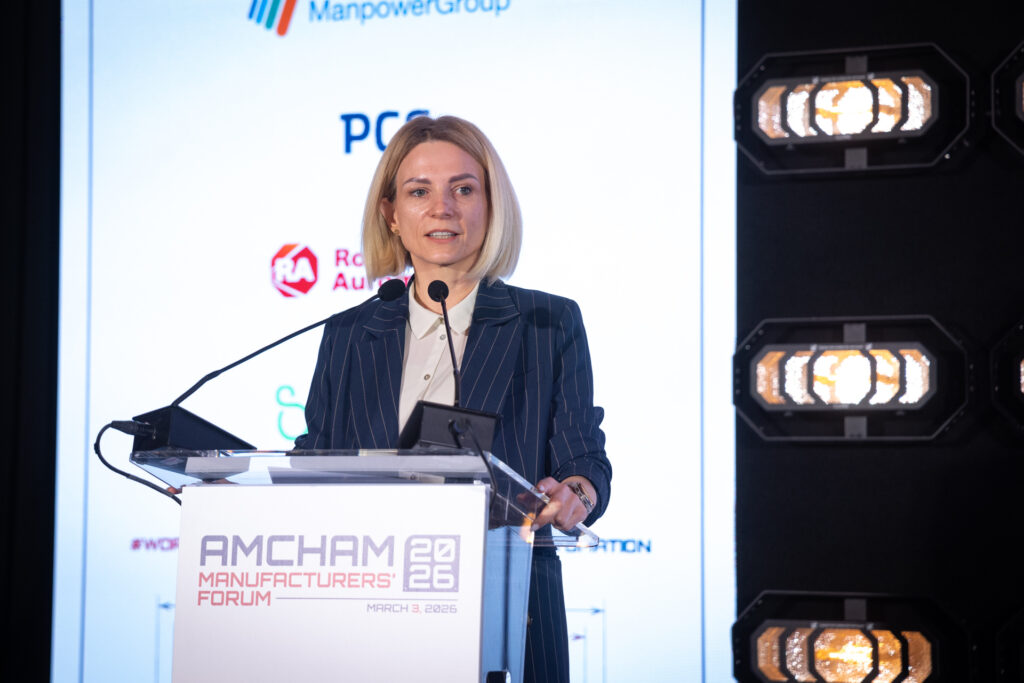
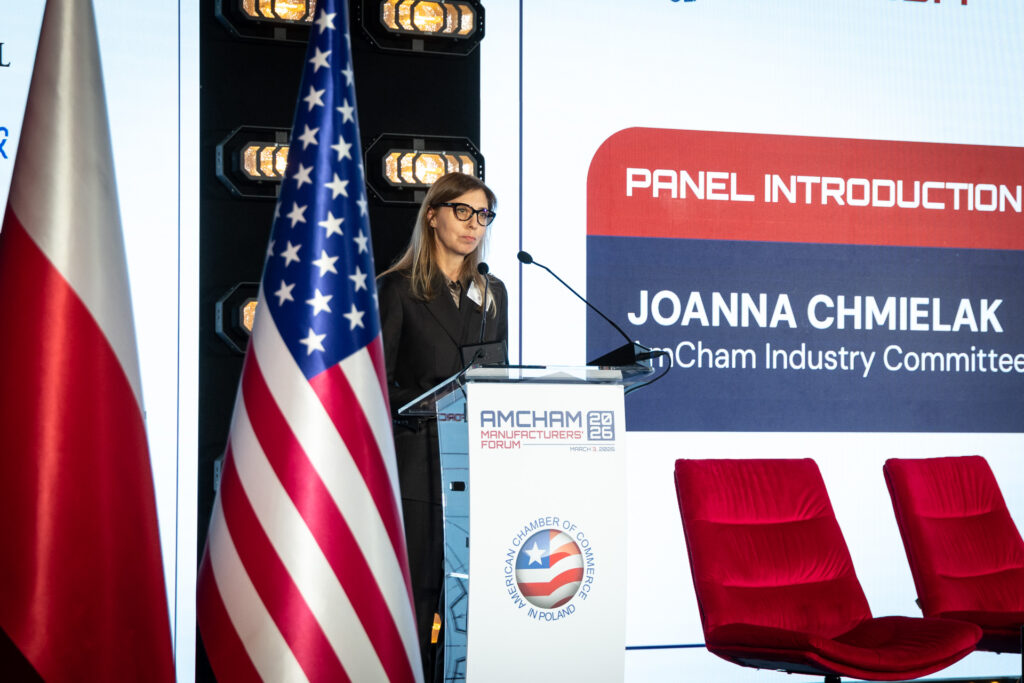
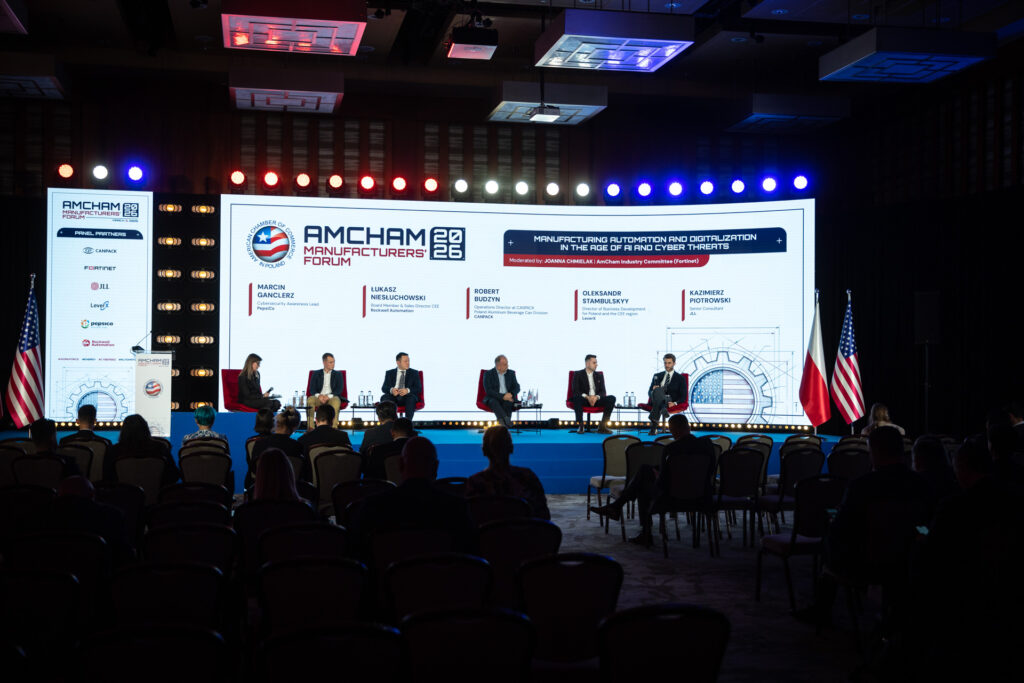
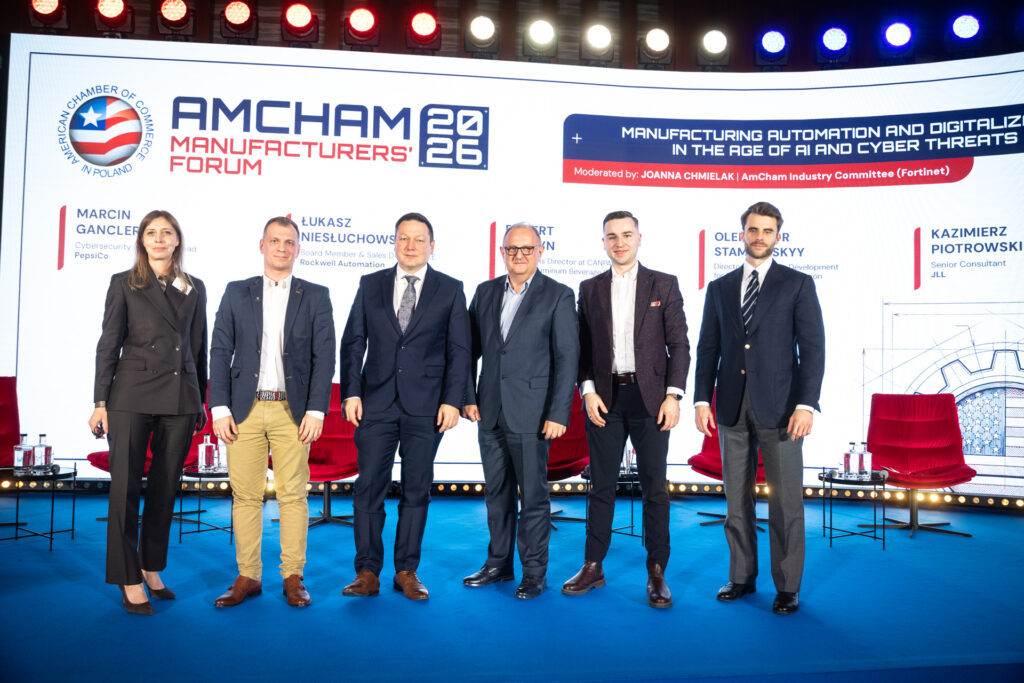
The final panel, “Manufacturing Automation and Digitalization in the Age of AI and Cyber Threats,” focused on the growing role of digital technologies in modern industrial operations. The discussion was introduced and moderated by Joanna Chmielak, Enterprise Sales Manager at Fortinet.
Panelists included Marcin Ganclerz (PepsiCo), Łukasz Niesłuchowski (Rockwell Automation), Robert Budzyn (CANPACK Group), Oleksandr Stambulskyy (LeverX), and Kazimierz Piotrowski (JLL).
The panel explored how automation, artificial intelligence, and data-driven production systems are transforming manufacturing processes and enabling greater efficiency and flexibility. As factories increasingly rely on complex digital infrastructure, cybersecurity is becoming a critical component of industrial resilience. Panelists emphasized the need to treat highly automated production systems as critical infrastructure, while also investing in stronger data governance, computing capacity, and workforce skills to support digital transformation.
Collaboration for the Future of Industry
Across all discussions, a common theme emerged: the future competitiveness of manufacturing in Poland will depend on close cooperation between industry, government, and educational institutions. Addressing workforce challenges, ensuring energy security, strengthening supply chain resilience, and advancing digital transformation will require coordinated action across sectors.
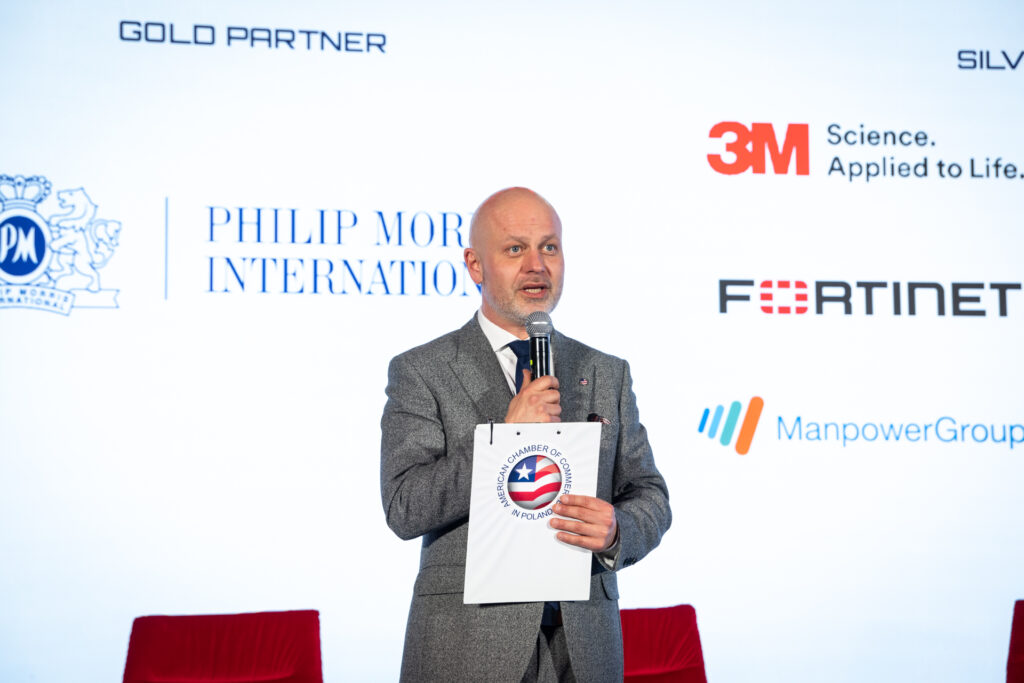
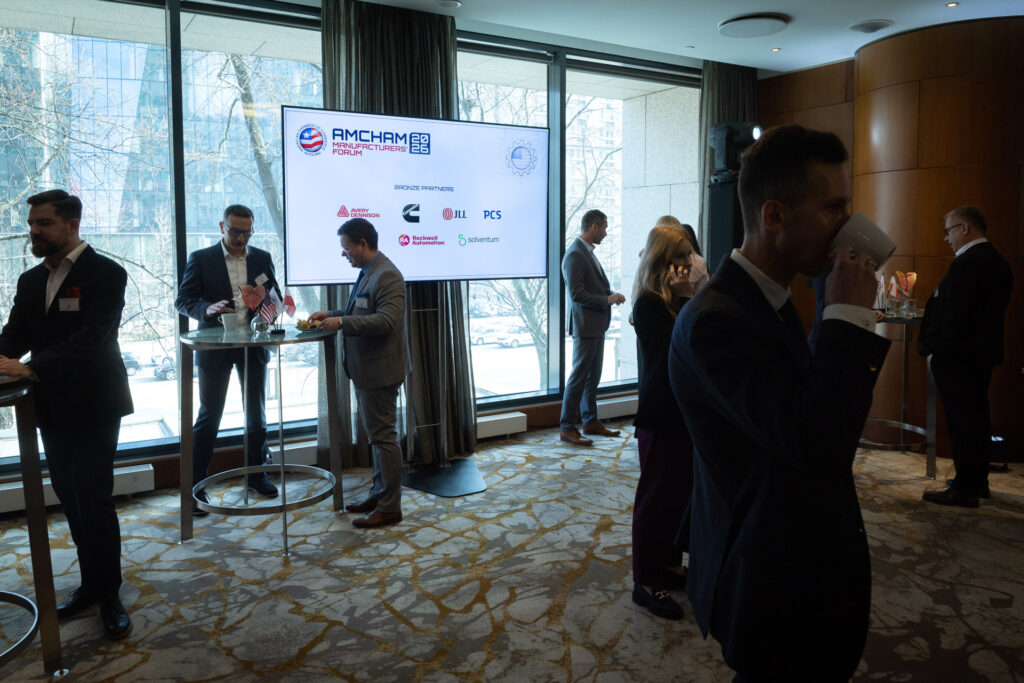
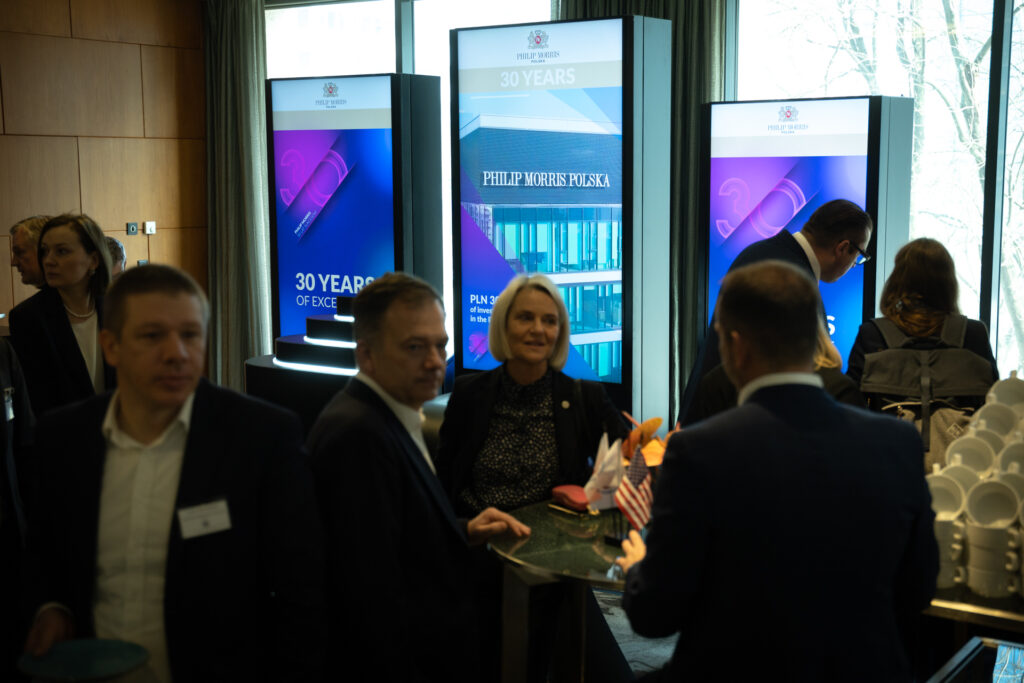
AmCham would like to thank all speakers, partners, and participants who contributed to this year’s Forum, including Philip Morris International, 3M, CANPACK Group, CMC, Fortinet, ManpowerGroup, PepsiCo, Avery Dennison, Cummins Inc., JLL, LeverX, PCS Paruch Chruściel Stępień Kanclerz, Rockwell Automation, and Solventum, whose support made the event possible. Special thanks also go to Mateusz Jurczyk, AmCham Branch Director in Kraków, for organizing and coordinating the Forum.
SPEAKERS
Marta Poślad
Mariusz Wawer
Marcin Ganclerz
Kinga Jabłonowska-Hieronimczuk
Dominika Kawala
Can Kuterdem
Luiza Luranc-Jaworek
Marek Matuszewski
Łukasz Niesłuchowski
Kamil Nowak
Kazimierz Piotrowski
Paweł Poniedzielnik
Marcin Sanetra
Piotr Skaldawski
Oleksandr Stambulskyy
Wojciech Więcławik
Alicja Zawadzka
Małgorzata Podrecka
Kamil Sadowniczyk
Joanna Chmielak
SPONSORS
Advisory Council